
How To Keep Your Horse Cozy All Winter: Essential Horse Care Tips
How To Keep Your Horse Cozy All Winter: Essential Horse Care Tips
| November 29, 2024
| 10 min read
You might wonder if beautiful snow days go well with your new equine friend. It's completely understandable to worry as the cold starts to creep in. After all, no one wants their horses in winter to feel uncomfortable or, worse, get injured.
Fortunately, the experts at Penn State's College of Agricultural Sciences reassure us that most farm animals, including horses, can stay toasty even when it's cold outside. Our role should instead focus on proper horse care during these winter months.
In this guide, we'll share how to keep your equine comfortable all winter long and when to blanket a horse if the weather gets too intense.
Do Horses Get Cold in Winter?
During winter, horses adapt quite well to the cold. Their natural coats effectively regulate their body temperature, and they are generally comfortable in temperatures between 41°F and 77°F.
Some breeds, like the Icelandic horse and Mustangs, are particularly suited to extreme winter conditions. These winter horses have evolved to thrive in harsh climates. Still, remember that those who receive proper horse care in the summer need it in the winter, too.
It's part of our responsibility to understand our horses. Just as they can endure the cold, we must be attentive to their needs to ensure their comfort and health in all conditions.
How Horses Naturally Cope with Cold Weather
Horses are excellent at surviving cold weather because they've adapted. Unlike humans, they can acclimate by developing extra fatty tissue. This layer is what winterizes them, providing insulation against the chill.
Additionally, horses can increase their body metabolism through various physiological processes. One clever way they use to generate heat is through the bacterial fermentation of forage in their hindgut. This fermentation process produces significant warmth. So adding fiber to their diets actually helps heat production.
Moreover, through the thyroid gland, a horse's endocrine system makes thyroxin, a hormone that boosts metabolism. This helps horses conserve their core body temperature.
Daily Winter Health Checks and Monitoring
So, how cold is too cold for horses? You should keep a close watch on your horse's health. Temperatures might still drop too low for your equine friend, even though it's equipped to weather it.
Remember that horse care must be based on heat loss and gain mechanisms. Horses regulate their temperature by adjusting their metabolism, behavior, and environment. Normally, they seek shelter from cold or shade from heat, lose heat through sweating and breathing, and gain heat from the food they consume.
By considering these, horse owners can provide care that keeps their horses comfortable and healthy in various weather conditions.
Signs of Cold-Related Stress in Horses
Horses can show various signs when they experience cold-related stress. Knowing these indicators helps you provide proper care.
- Excessive shivering
- Loss of appetite
- Increased heart rate or respiratory rate
- Lethargy or unusual behavior
- Changes in coat condition, like dullness
- Seeking shelter or standing in a huddled position
- Weight loss or poor body condition
- Digestive problems
If you notice any of these signs, address them as soon as possible. Your horse's comfort and health should always come first.
Common Winter Ailments to Watch for
As temperatures drop, horses may become more vulnerable to certain ailments that come up in winter, like:
- Respiratory issues, such as coughing or nasal discharge
- Laminitis or founder due to diet changes
- Thrush or other hoof problems
- Infections caused by fungi or rain rot
- Colic related to dietary changes or lack of hydration
- Frostbite on exposed areas
- Weight loss
In case of any of these symptoms, contact your veterinarian. Early intervention makes sure your horse stays healthy.
Feeding and Hydration for Winter Horses
It's common for horses to lose some weight over the winter. So, as tempting as it is, horse care 101 says that this doesn't mean you should automatically increase their feed. Knowing when to do this is crucial.
Adjusting Feed for Winter Conditions
The weight a horse loses during winter depends on factors like how cold it is and how much energy they get from their feed. Like other warm-blooded animals, horses need to maintain body heat to survive. When temperatures drop below their comfort zone, their bodies work harder to generate heat, increasing their energy needs.
For every degree below a certain temperature, their energy requirements increase by about 10%. Adding extra grain or fat sources can help your horse cope with the cold.
Keeping Horses Hydrated in Cold Weather
Keeping your horse hydrated is just as important in winter. Horses tend to avoid very cold water, so adding some warm water can encourage them to drink more. If their feed is dry, make sure they have plenty of water to balance it out.
Check and replace frozen water regularly. Without enough water, horses can't digest their food properly. Dehydration can also lead to digestive issues, so make sure that they're always drinking enough.
When to Blanket a Horse: The Right Rugging for Winter
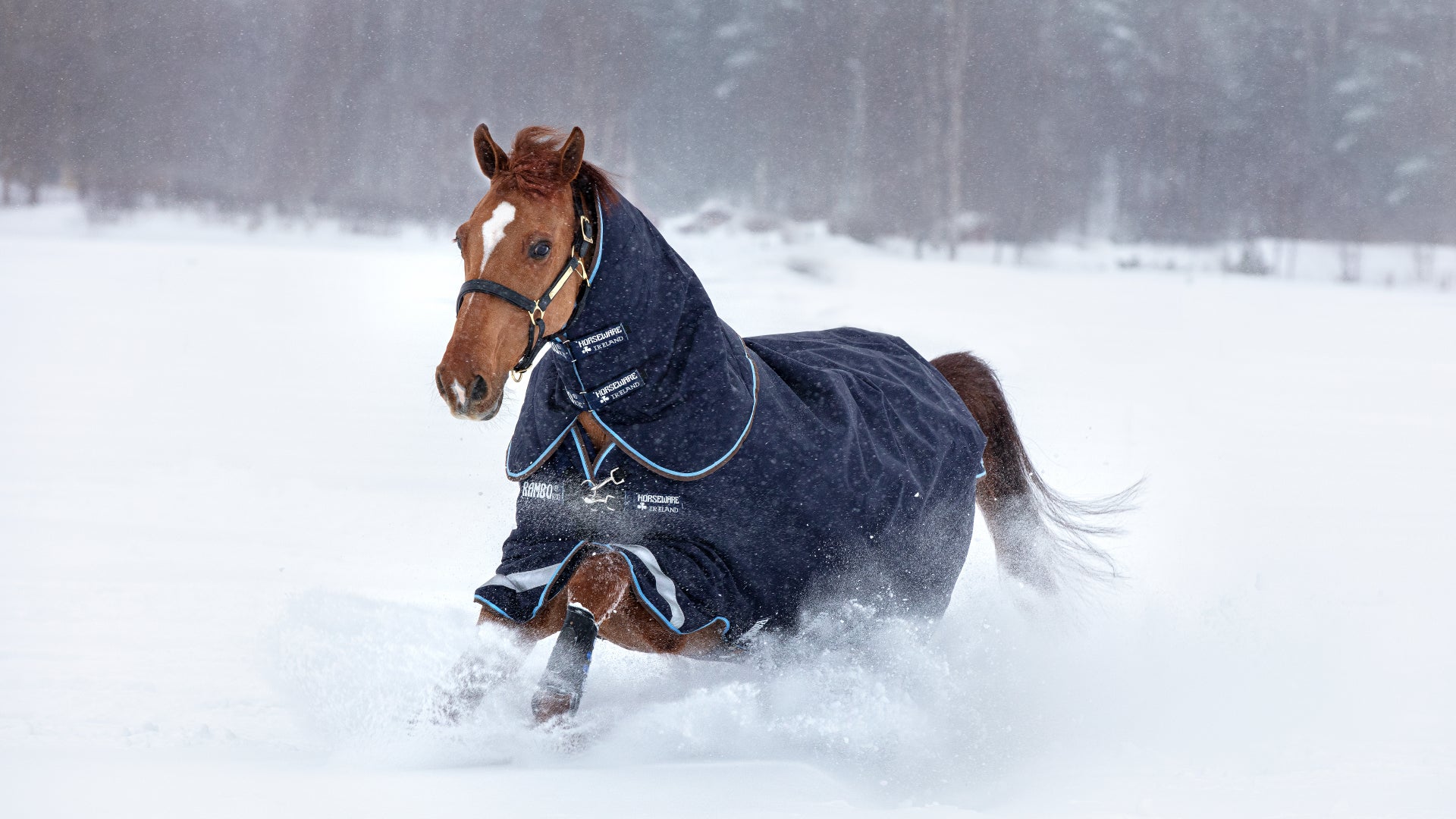
If your horse is in good condition and has enough body fat, they handle the cold well. However, horse blankets can provide that extra protection in certain situations.
Blankets can be helpful for horses with thin coats or those that have been clipped. Plus, a cozy blanket can make a great holiday gift!
When to Blanket Horses Based on Temperature
Generally, body-clipped horses should be blanketed when temperatures fall below 60°F or during rainy and windy conditions. Horses with moderate coats should be blanketed below 40°F, while those with heavy coats may need one when it drops below 30°F.
If it's cold and wet or windy, consider blanketing earlier. Horses that are older, clipped, or underweight might need extra warmth at higher temperatures. Once the season is over, make sure to wash and pack your horse blanket correctly so it’s ready to go for the following year. For more information, check out our complete guide on horse blankets.

Choosing the Right Blanket for Cold Conditions
When picking a blanket, consider the weather and your horse's needs. Lightweight blankets work for mild cold, medium-weight ones for typical winter conditions, and heavyweight blankets for extreme cold or wind.
If your horse will be outside, choose a waterproof blanket to keep them dry, as wet conditions can cause heat loss. The blanket should also be breathable to prevent sweat from getting trapped.
With the evenings becoming darker, it is also important for you and your horse to stay visible; check out our guide on winter reflective gear for the best hi-vis options.
Shelter and Environment Management
Winter's setting in - but is your shelter ready for it? Horse maintenance includes making a shelter that's sturdy, spacious, and provides protection from the elements. Ideally, it includes a roof and three sides, allowing your horse to escape harsh weather while still having access to fresh air.
A well-maintained shelter keeps your horse nice and comfy.
Stable Management: When to Bring Horses In for Winter
Bringing your horse into the stable during winter depends on the weather and your horse's condition. Horses can handle the cold, but during heavy rain, snow, or strong winds, it's best to bring them inside.
Older horses, for instance, or those with clipped manes should come in earlier, as they're more at risk. Keep an eye on your horse's comfort and make adjustments as needed.
Skin Care and Protecting Horses from Mud, Rain, and Snow
Winter can bring challenges like mud, rain, and snow that can affect your horse's skin. The insulating value even decreases when the horse gets wet or is covered in mud.
Keeping your horse's coat and skin healthy requires proper care, especially in wet conditions.
Preventing Mud Fever and Rain Scald
Mud fever and rain scalds are common winter skin issues. To prevent them, keep your horse's legs and body as dry as possible by offering shelter and using waterproof blankets.
Check for signs of irritation or infection, such as scabs or hair loss, and manage muddy areas in pastures or stables. Address early symptoms promptly to prevent more serious problems.
Exercising and Riding Horses in the Winter
The winter season doesn't mean lazing around. Winter exercise is essential for proper horse care.
Managing Icy and Slippery Conditions for Safe Riding
Riding in icy or slippery conditions can be risky. Always check the area where you plan to ride for slick spots or ice.
If the ground is unsafe, consider doing ground exercises or just wait until the conditions improve. You can also use special shoes or boots designed for better traction on icy surfaces.
Checking Sand Arenas for Winter Riding Safety
Before riding in a sand arena, check that the footing is fully thawed. Frozen sand can be hard, uneven, or slippery, posing risks to both horse and rider. For outdoor arenas, watch for frost or snow hiding frozen spots. Indoors, ensure good ventilation and maintenance to prevent freezing. Regularly raking and breaking up hard areas helps keep the surface safe. If conditions aren’t ideal, stick to ground exercises or lunging to keep your horse active. Safe footing ensures effective and safe winter training.
Keeping Horses Fit and Active in Cold Weather
To keep your horse fit during winter, adjust your routine to the weather. Shorter, more frequent sessions are effective.
Ground exercises or lunging can help maintain their activity level when conditions aren't ideal for riding. In general, keeping your horse active maintains their fitness and overall well-being throughout the season.
Preparing for Extreme Winter Weather: How Cold Is Too Cold for Horses?
Winter can be hard, especially when temperatures drop significantly. We know horses are naturally resilient, but extreme cold requires extra care.
What Temperature Is Too Cold for Horses to Be Outside?
In dry conditions without wind, horses can tolerate temperatures as low as 0°F. With access to proper shelter, they can even handle temperatures down to -40°F. However, horses are most comfortable in temperatures between 18°F and 59°F. This will depend on their coat thickness.
Make sure to monitor your horse for any signs of discomfort and provide blankets or additional shelter if needed.
How to Prepare Horses for Snow and Ice
First off, clear turnout areas of ice and hazards to prevent slips and injuries. Adding sand or gravel to icy spots can help with footing. As mentioned, increase hay intake to boost your horse's internal heat through digestion, especially when grazing is limited.
As for hoof care, apply hoof ointments to prevent ice buildup or use traction boots for safer movement. Regularly clean out their hooves to remove packed snow and ice. Lastly, give your horse fresh, unfrozen water to maintain hydration and overall health.
Keep Your Horse Cozy this Winter with Horseware
Winter horse care doesn't have to be stressful. The goal is to make your horse stay at ease throughout the season - and Horseware Ireland makes it easy and reliable.
Our high-quality blankets and equipment are designed to give your horse the best protection in all kinds of weather. Whether it's the chill of winter or the heat of summer, you'll be able to find something to suit your equine's needs.
Shop our range of blankets today and find the perfect fit to keep your horse cozy year-round.

Share on Facebook

Share on X

Share on Pinterest

Share on LinkedIn

Share on Copy