Preventing injuries is always a priority for horse owners and riders. For such a large animal, they can be very accident-prone with the smallest injury causing lameness or stall rest. While it may be tempting to wrap your horse up in bubble wrap and watch them 24/7, there are other ways to reduce the risk of injury.
Preparation
Horse Fitness
A fit horse will be much better equipped to cope with the demands of physical exertion. If your horse has been out of work, or you are aiming to do more intense work, build up to it slowly. A fitness plan will help you gradually increase the workload to minimise the risk of injury. Just like you wouldn’t go from walking around the block to running a marathon straight away, your horse can’t either.
In the same vein as fitness, a horse’s condition is important for preventing injury too. A horse carrying too many pounds puts more strain on their joints and also increases the stress on the heart and lungs. An overweight horse won’t be able to perform to their full potential and is also more likely to become fatigued or stumble, increasing the risk of injury.
Check the Ground
Paying attention to the ground conditions is vital. In the summer, the ground is likely to be drier and harder. This increases the risk of tendon injuries, splints, bruised soles, and concussive laminitis. These injuries can also come as a result of lots of roadwork.
Slipping is a concern in muddy or icy conditions. Mud can also pull shoes off or cause problems in the hoof such as thrush. Mud fever can also affect the pasterns if your horse’s field is wet and muddy.
Whilst the arena may seem like the safest place to exercise your horse, it’s worth checking the ground there too. Arena footing that is too deep can cause ligament or tendon injuries, particularly when in more intensive work such as jumping.
If we only rode when the ground was perfect, we wouldn’t have many days in the saddle though! There are ways to minimise the risks, such as using studs to suit the conditions, slowing the pace, and mixing up the type of terrain you work on.
Some horses are more affected than others by particularly soft or hard ground. Know your own horse’s preferences so you can adapt their workload as necessary.
If you are planning to compete on grass and the conditions are worrying, consider withdrawing. It’s disappointing to miss a competition but if your horse becomes injured, you will miss more than just one.
Warm-Up
Warming up is an essential part of any ride. By easing into exercise, you allow your horse’s heart rate to gradually increase and for more blood to circulate to the muscles. This helps to not only prepare the horse for work and therefore reduce the chance of an injury but also allows them to perform better.
Using a solarium or therapeutic blanket can also help to warm up your horse’s muscles before exercise. Horses with muscle soreness or that are ‘cold-backed’ will particularly feel the benefits of this.
Post-Workout
Cool Down
Cooling down at the end of a ride is just as important as warming up. Allow your horse to stretch long and low to relax the muscles and for their breathing to return to normal. As the name suggests, the cool down is also about bringing the horse’s temperature down. On warmer days, this will likely involve washing off your horse to assist with this. Our guide to Beat the Summer Heat has some tips and tricks for this and preventing heat-related conditions.
In cooler weather, you may need to use a blanket to help wick away any moisture whilst preventing him from becoming chilled.
Icing
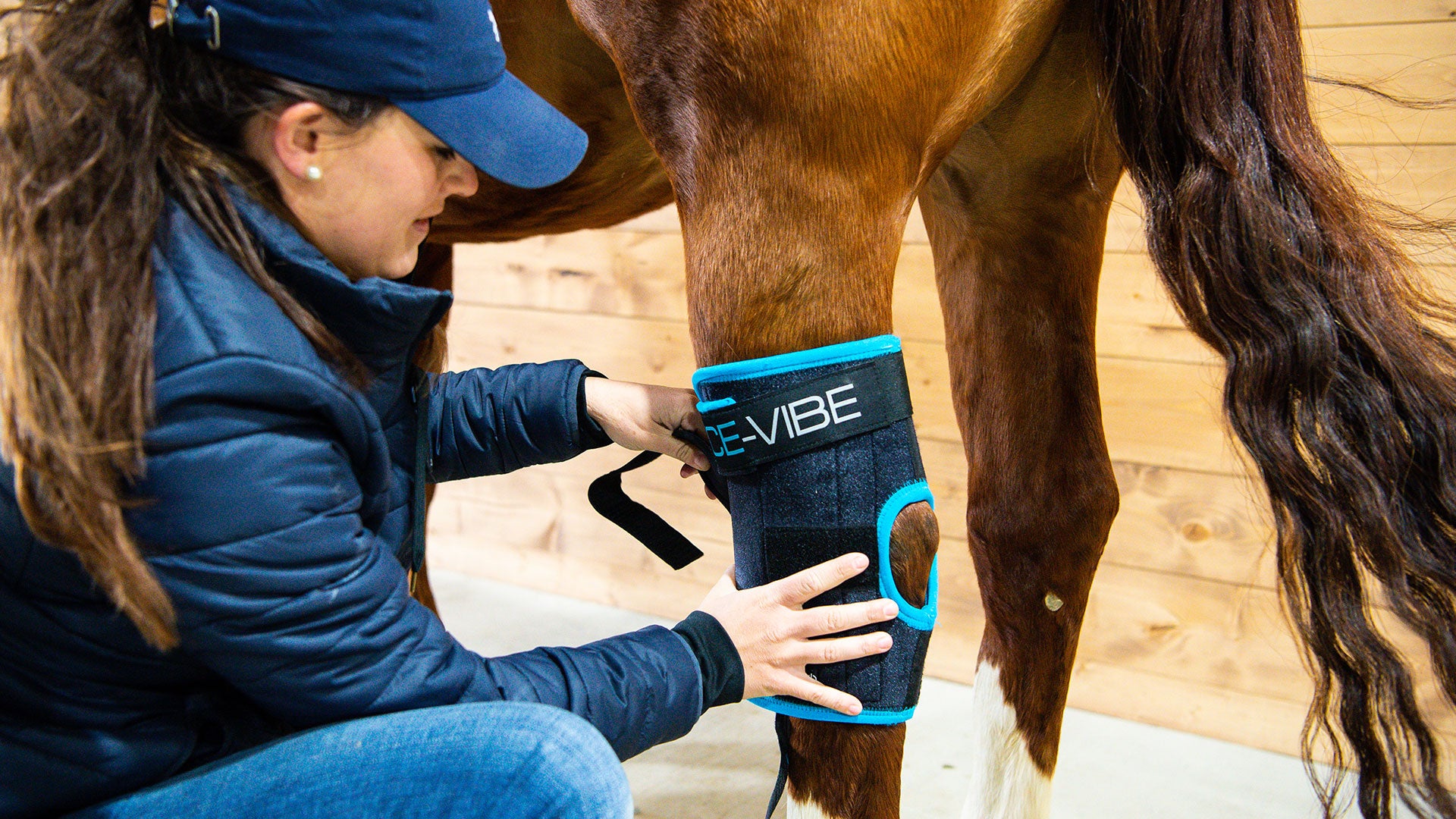
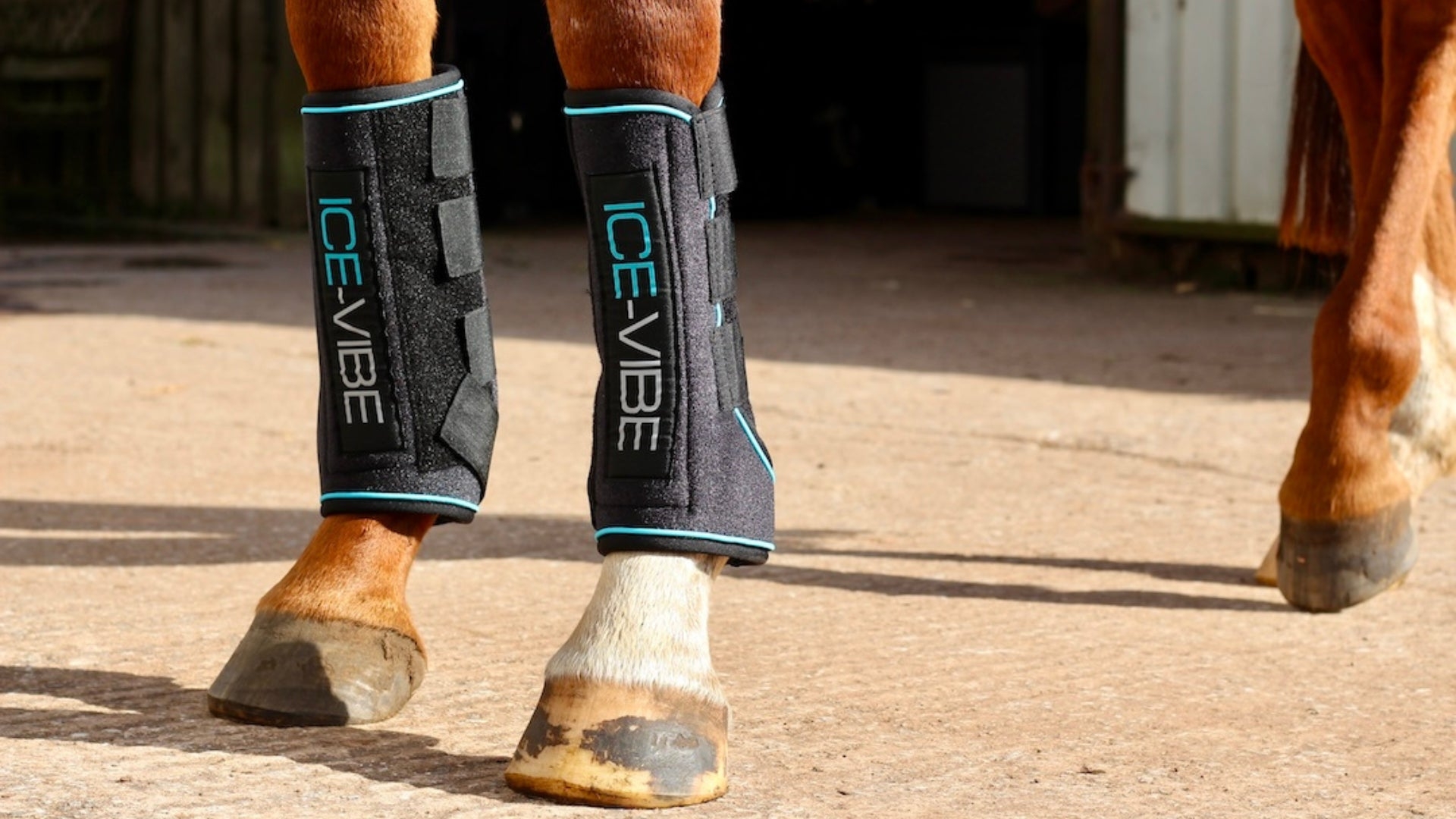
Icing or cold-hosing the legs has been part of horse management for generations, and for good reason too. During exercise, blood flow increases to the tendons, ligaments, and muscles. This is needed whilst the horse is working hard but the increased blood flow can also cause inflammation. Reducing the temperature of the legs after exercise helps to constrict the blood vessels to prevent this.
Cold therapy can help to treat old or new injuries but is also beneficial as part of regular maintenance to prevent issues from occurring. Many of Horseware Hero Olympic, World & European Champions chose our Ice Vibe Boots. Click here to shop our Ice Vibe range.
Maintenance
Keep it Varied
Variety is not only the spice of life but a great way to reduce the risk of injuries. Repetitive strain injuries can happen in horses like they do in humans. By keeping your horse’s workload varied, you reduce the impact placed on the tendons. Even if your horse is very fit, you still want to vary the training and workload so that high-intensity days are balanced by slower sessions and rest.
Cross-training is something to consider to keep your horse’s work varied. Flatwork, galloping, jumping and hacking all work your horse slightly differently so you’re not repeatedly straining the same bones and tissues. Another benefit is that it helps to increase fitness and muscle strength. We all know the importance of flatwork to improve jumping but mixing up your training can improve your performance in other disciplines and keeps your horse interested in their work.
Stretch it Out
At-home stretches are a good way to increase flexibility and suppleness, helping to prevent injuries. Any stretching should be done on warmed up muscles so try them after your horse has been worked. Warm muscles are more elastic so you will get better results this way and reduce the chance of overstretching them.
“Carrot stretches” are an easy way to get started. Holding a small piece of carrot, or another treat, bring it to your horse’s mouth and then use it to tempt your horse into bringing their neck round to their elbow. Hold the stretch for around ten seconds before releasing the treat.
Repeat the exercise a few times on each side, varying the height and position of the stretches. Depending on your horse’s flexibility, you can also build up to reaching the point of their hip.
Once you have stretched both sides, bring the carrot between the front legs, stretching down to the fetlocks. When carrying out any of these stretches, make sure your horse is bearing weight evenly on all four legs otherwise they are cheating and not getting the full benefit!
Regular visits from an accredited equine physiotherapist, chiropractor, or massage therapist can also aid your horse as part of their regular maintenance.
Spot the Signs
Preventing an injury is the aim but spotting one early on can eliminate complications and speed up recovery time. Here are some signs to look out for in your horse:
- Heat or swelling in the legs
- Stiffness when exercised
- Reluctance to work
- Reduced mobility when stretching – if you are doing at-home stretches regularly you will easily be able to spot if your horse is not as flexible
- Sudden changes in behaviour e.g. bucking when ridden
- Cuts, wounds, or lumps on the skin
Accidents do happen and some things will be out of your control. Taking preventative measures helps to minimises the risk of injury though. Ensuring your horse is fit and has a varied workload also reduces general wear and tear so you can both enjoy riding for many years to come.