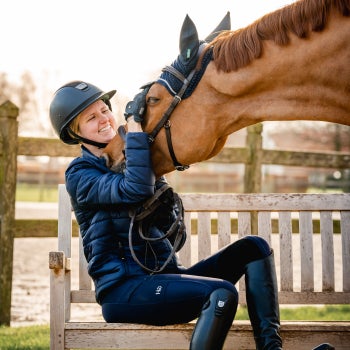
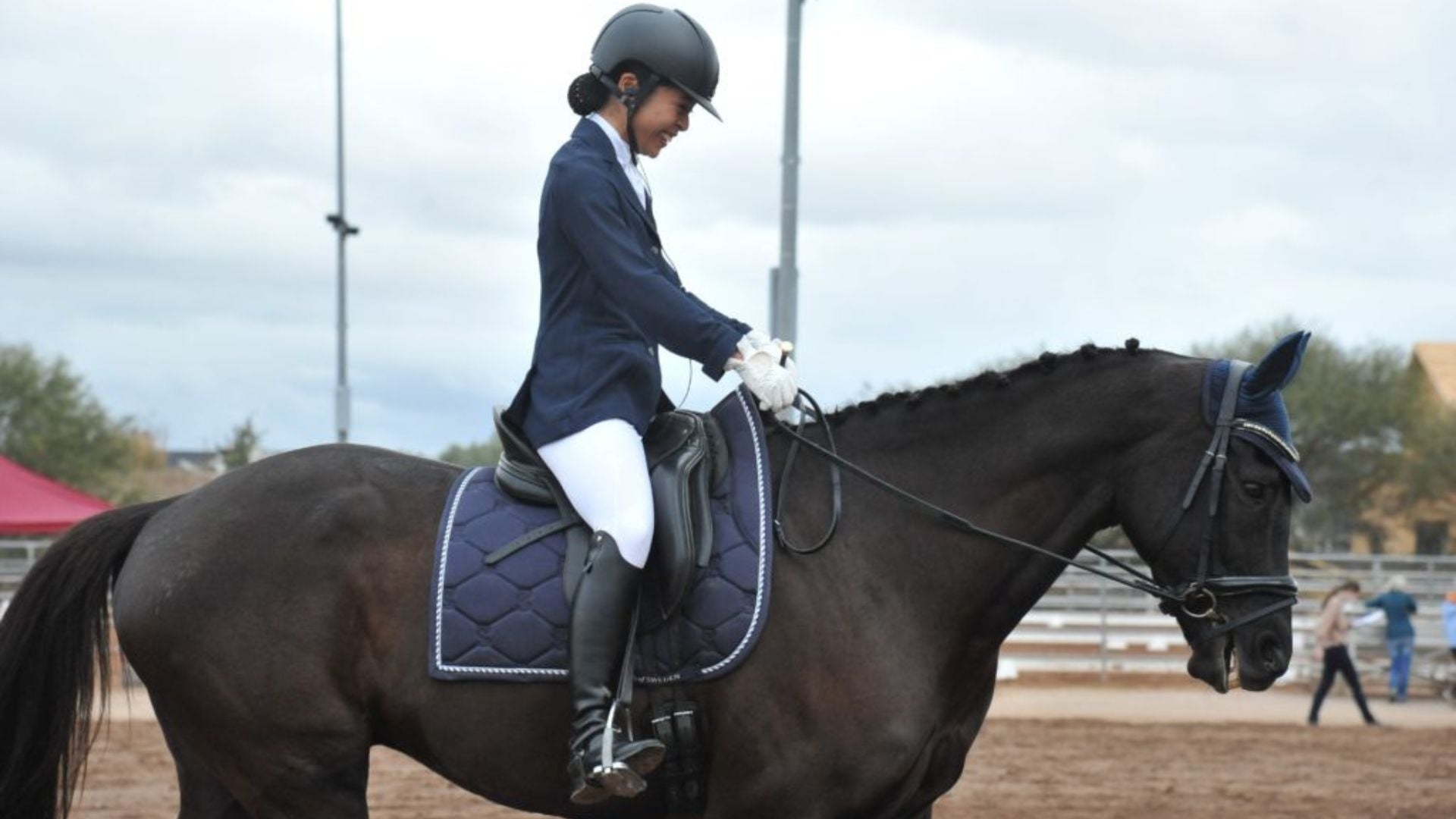
There's nothing quite like the bond you form with your horse. From the first time you saddle up to the peaceful moments of grooming, you can't help but smile.
If you're new to it, know that you'll learn a lot when you work with these majestic animals. But before you dive into equestrian mindfulness, you first need the fundamentals. One of those basics is learning how to tack a horse.
Tacking up means getting your horse ready to ride. Horse tack involves the essential horse riding gear for your safety and your horse's comfort. Knowing the proper technique is crucial.
This guide answers the questions:
- What does it mean to tack up a horse?
- What is horse tack equipment?
- What tack and saddlery do I need to ride a horse?
You’ll feel more confident and skilled at preparing your horse for a ride.
What Does Tacking Up a Horse Mean?
Tacking a horse means getting everything ready before you mount or ride. What is a horse tack? It’s all the equipment involved in horse riding.
Horse tack lets you control and communicate with your horse. The main pieces are the saddle pad, which you sit on, and the horse bridle that helps you guide your equine companion.
Whether you're riding for fitness or leisure, tacking up is important. It ensures that both you and your horse are safe, comfortable, and can focus on your activity.
When you untack a horse, you do it in reverse, removing the gear after your ride. Untacking prevents saddle sores that come from continued pressure. It also gives you a chance to check for any issues and make sure your horse is relaxed after your ride.
Knowing how to tack up a horse (as well as untack) is a key part of horse care. These routines keep your horse happy, healthy, and always ready for adventure.
Why Tacking Up is Important
Horse riding requires preparing your horse with the necessary gear. Here are some major reasons horse tack should be taken seriously.
Comfort and Safety
Safety should always be a top priority. Tacking up maintains safety by securing the saddle and bridle. These are a must for keeping balance and control.
This preparation also contributes to your horse's comfort. Properly fitted tack prevents injuries so your horse can move freely as you ride.
Control and Communication
Horses respond to cues from the reins, which connect to the bridle, and from your seat, which rests on the saddle. Proper tack makes signals clear and consistent. You'll find it easier to guide and direct your horse.
Performance
Performance refers to how well your horse moves and responds. It’s important for everyone, from casual riders to competitive equestrians. The most common ways to boost performance include regular training, a healthy diet, and regular vet check-ups.
But proper tack works in your favour, too, allowing your horse to perform at its best by reducing distractions. Think of tacking up as a win-win, improving your riding effectiveness and strengthening your bond.
Essential Horse Tack Equipment
What horse tack do beginner riders need? To ride safely and comfortably, riders generally need:
- Saddle
- Bridle with bit
- Girth
- Saddle pad
- Stirrups
- Boots
Eventually, you'll realize what you and your horse specifically need for the best performance. It's a partnership, and getting the right horse tack can make all the difference.
A complete horse tack cost can range from €200 to €800, more or less. Prices vary, so find the right balance between price and quality. Remember to value the quality, durability, and overall performance of the equipment you buy. Incorporating the Micklem bridle range into your tack can significantly enhance leather durability and your horse's comfort during rides.
Premium tack has a higher initial cost, but can outlast the cheaper options. You'll also be more comfortable and create a safe experience for you and your horse. Invest wisely in your tack for worry-free horse riding.
Let’s dig a little deeper into each piece of horse tack equipment.
Saddle and Girth
A saddle is a critical piece of horse tack. It sits on the horse's back and supports the rider. An ill-fitting saddle can cause discomfort for your horse. Worse, this could lead to health issues like sores, back pain, and behavioural problems.
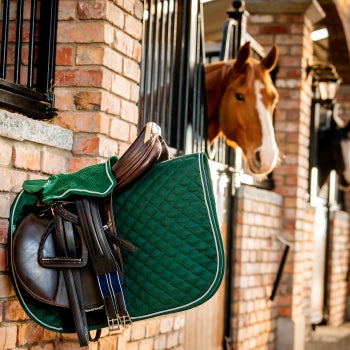
For your horse's comfort, you'll also need saddle pads. The best pads often feature a soft brushed inner that draws moisture away from the horse's skin. A breathable design allows for optimal airflow and prevents overheating during intense sessions.
The girth is another essential part of the tack. It goes around the horse's belly and holds the saddle in place. A well-fitted girth should be able to prevent saddle slippage. It should be snug but not too tight, allowing your horse to breathe and move comfortably.
Choose between a short and long horse girth depending on the length of your saddle's girth straps.
- Short girths, also known as dressage girths, are designed for saddles with long girth straps that reach close to the horse's belly. These minimize the bulk under the rider's leg.
- Long girths, or standard girths, are used with saddles that have short girth straps. They extend further down the horse's sides.
Your saddle and girth should work well together and fit your horse properly. Look for high-quality materials that provide durability and comfort.
Bridle and Bit
A horse bridle is a tack that includes the headstall, bit, and reins. The headstall holds everything in place on the horse's head. You then put the bit in the horse's mouth.
The horse bit applies gentle pressure to its mouth and allows you to give precise signals for steering, stopping, and other commands. Quality rubber reins are what you hold to guide and control your horse with ease.
Choose a bridle that's anatomically correct and versatile. A highly adjustable bridle design fits your horse comfortably. Also, consider the material and craftsmanship, as well as how easy it is to adjust and maintain. A supportive bridle and bit can make a huge difference to your horse's performance.
Stirrup Irons and Leather
Stirrup irons support a well-balanced rider. They provide comfort and balance for an effective riding seat. Stirrup irons come in various widths, weights, and tread styles on the stirrup pads for added grip. Properly fitted stirrups maintain a correct riding position.
When choosing stirrup irons and horse leather, consider what provides the maximum support and comfort for your riding style. Lightweight stirrups can reduce fatigue. Meanwhile, wider treads offer better stability. The leather should be durable and easy to adjust for a secure fit.
Additional Accessories
Do you have the essential horse riding gear figured out? It's time to accessorize. Horse accessories aren't just for looking good; these small touches can enhance the overall experience for both you and your horse. They include items like breastplates and martingales, which add comfort and control during rides.
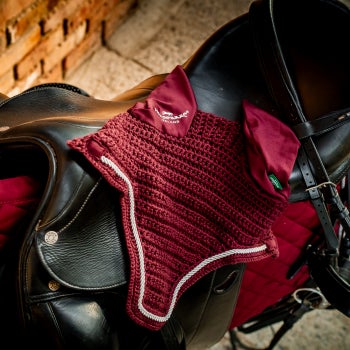
You should also consider accessories for everyday equestrian needs. Fly control equipment like fly sheets protects your horse from insects. Leg protection, such as boots and wraps, makes traveling safe for your horse. Premium headcollars provide control and comfort during training or in the stables. High-performance Adagio boots offer protection during rigorous workouts, and breathable ear nets keep your horse focused and undisturbed by pests. Choose items made from high-quality functional material that doesn't irritate your equine friend.
Step-by-Step Guide: How to Tack Up Your Horse
Horse tack can't do its job if it isn't done well. Doing it right ensures both your safety and your horse's welfare. Here are basic steps on how to tack a horse for beginners.
Preparing Your Horse
Start by grooming your horse thoroughly. Brush off any dirt or debris from its coat—especially where the saddle and girth will sit—to prevent irritation and sores.
Pick out your horse's hooves to remove stones or dirt that could cause discomfort. Check for any injuries or issues that might need attention before tacking up.
Placing the Saddle
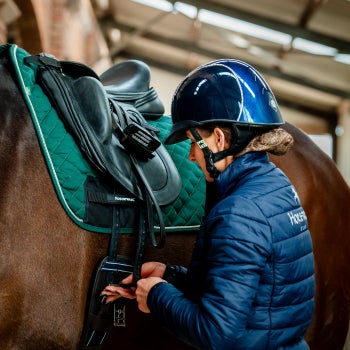
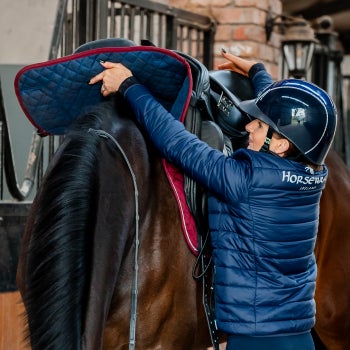
Place the saddle pad or blanket on your horse's back first. Make sure it's centred and smooth, then gently place the saddle on top. Position the saddle so it sits just behind the horse's shoulder blades.
Make sure the saddle isn't too far forward or back. Attach the girth on one side. Then, walk around to the other side and pull it under your horse's belly. Buckle it securely for a snug (but not too tight) fit.
Fitting the Bridle
To fit the bridle, first remove the halter and hold your horse by the reins. Slide the bit into your horse's mouth. This should then encourage them to open up. Once the bit is in place, gently pull the headstall over your horse's ears.
Adjust the cheekpieces so the bit sits comfortably in their mouth. Buckle the throat latch and noseband. Make sure everything's secure but not too constricted. The bridle shouldn't pinch or cause any irritation.
Adjusting for Comfort
Comfort plays a big part in your horse's performance. After placing the saddle and fitting the bridle, check for any signs of discomfort. The saddle pad should be lying flat with no wrinkles. Adjust your tack to a snug but comfortable tightness.
Walk your horse a few steps and observe their movement. Make any necessary adjustments to the saddle, girth, or bridle so that it's relaxed enough but still secure.
Common FAQs About Tacking Up a Horse
How long does it take to tack up a horse?
Tacking up a horse typically takes only about 10 to 15 minutes. This time can vary depending on your experience and how cooperative your horse is. As you become more familiar with the process, it will take less time.
What side do you tack up a horse on?
You tack up a horse from the left side. This is also known as the "near side." It's a tradition that dates back to the old days when riders would mount and dismount from the left side.
Do you bridle or saddle first?
It's generally best to put on the bridle first, and then saddle your horse. This order helps keep the horse calm and secure, as the bridle gives you more control if the horse moves while you're saddling.
How do you mount a horse for beginners?
You can effortlessly mount a horse when you know what to do. For beginners, start by standing on the horse's left side. Hold the reins and a chunk of the horse's mane with your left hand for balance. Place your left foot in the stirrup and hold the saddle's pommel with your right hand. Push off the ground with your right leg and swing it over the horse's back. Make sure to land softly to avoid startling the horse.
Quality Horse Riding Gear Makes All the Difference
Knowing how to tack a horse is only a step on your equine journey, but it's a big one. More than just a routine task, it's a vital part of your riding experience. By taking the time to do it right, you also build a stronger bond with your horse.
So, what kind of horse tack and saddlery styles are there? The right horse tack starts with great equestrians. At Horseware Ireland, we're always rethinking how to make equine life better. For high-quality leather, accessories, and other equine essentials, our products deliver unbeatable quality. Contact us today to find out more about what we can do for you.
Remember, practice makes perfect, and suitable gear can make it easy. With each session, you'll become more confident and efficient. Take a deep breath, enjoy the process, and look forward to the rewarding rides ahead.