Horses are valuable companions in our lives, and we're very lucky to have them. But it's no fun to see your equine friends being bothered by flies. It’s a common challenge that can even hurt their health.
Effective fly control is crucial to keeping our champs healthy, happy, and performing their best. From irritating bites to potential injuries and other health risks, flies can disrupt your horse's comfort and daily routine. A holistic approach to fly control for horses addresses immediate concerns and promotes a healthier environment.
Let's dig into strategies to improve your horse's quality of life year-round. We'll be covering everything that ensures your horse stays protected and content.
Understanding the Problem: Why Fly Control is Essential
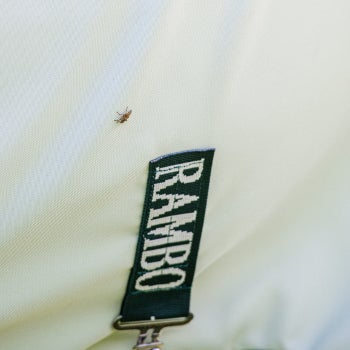
More than just an inconvenience in barns and stables, flies can be a serious threat to your horse's health and well-being. These pests can make life miserable. Effective fly control is essential for maintaining a comfortable environment and keeping your horse healthy.
Health Risks Associated with Flies
Fly bites come with a lot of health risks. For example, they can transmit parasitic nematode larvae that cause chronic, non-healing summer sores.
Some flies carry eyeworms, which infect the eye glands and ducts. Other flies can transmit pigeon fever, which results in external abscesses, and there's also the often-fatal equine infectious anaemia virus.
Impact on Horse Comfort and Performance
The constant buzzing and biting can lead to behaviours like tail swishing, foot stomping, and general agitation in horses. This continuous discomfort can make it difficult for your horse to focus. Worse, it can reduce training effectiveness and compromise their performance.
Choosing the best fly control for horses is vital. You should balance providing enough protection while ensuring your horse's comfort. Well-designed fly protective gear should fit well without restricting movement or causing additional irritation. With these, you can enhance your horse's performance while keeping them happier and healthier.
Effective Fly Control Methods for Horses
Fly bites can cause a world of hurt. Here are some effective fly control methods for horses, with practical ways to keep your equine companion pest-free.
Natural Remedies for Fly Control
Using natural remedies is a great starting point for fly control. These methods are also usually cost-effective and environmentally friendly. You can mix essential oils like eucalyptus, lavender, and citron with water to create homemade fly sprays.
Applying a diluted mixture of apple cider vinegar can also repel flies while promoting a healthy coat. You can also add garlic supplements to your horse's diet, as it is believed to keep flies away by creating an odour in sweat.
You'll see results if you keep your horse's living area clean and remove manure regularly. Reducing potential fly breeding grounds will help naturally control fly populations.
Commercial Fly Repellents and Sprays
Fly repellents and sprays for sale are made to last longer. These can come in sprays, wipes, and roll-ons. Look for repellents specifically designed for horses that are both safe and effective. Some commercial sprays offer extended protection. This means fewer applications, which is ideal during the fly season.
When using commercial products, such as fly sprays, follow the manufacturer's instructions to keep your horse safe. Additionally, ensure your fly spray is 'competition approved' as some products contain chemicals not approved by the FEI.
Fly Protection Gear
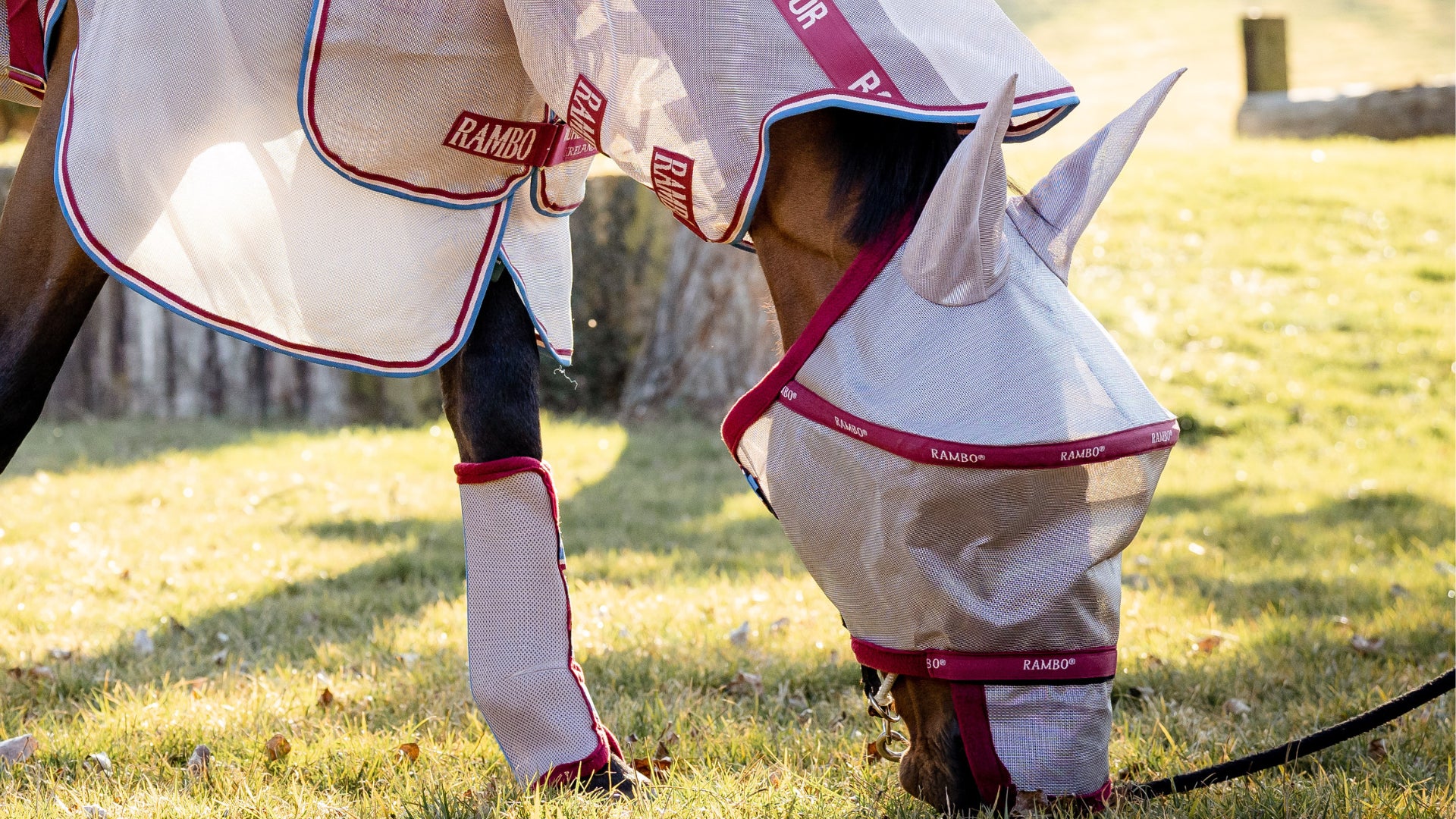
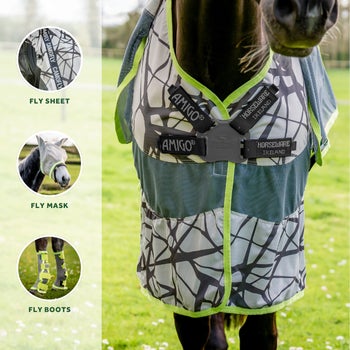
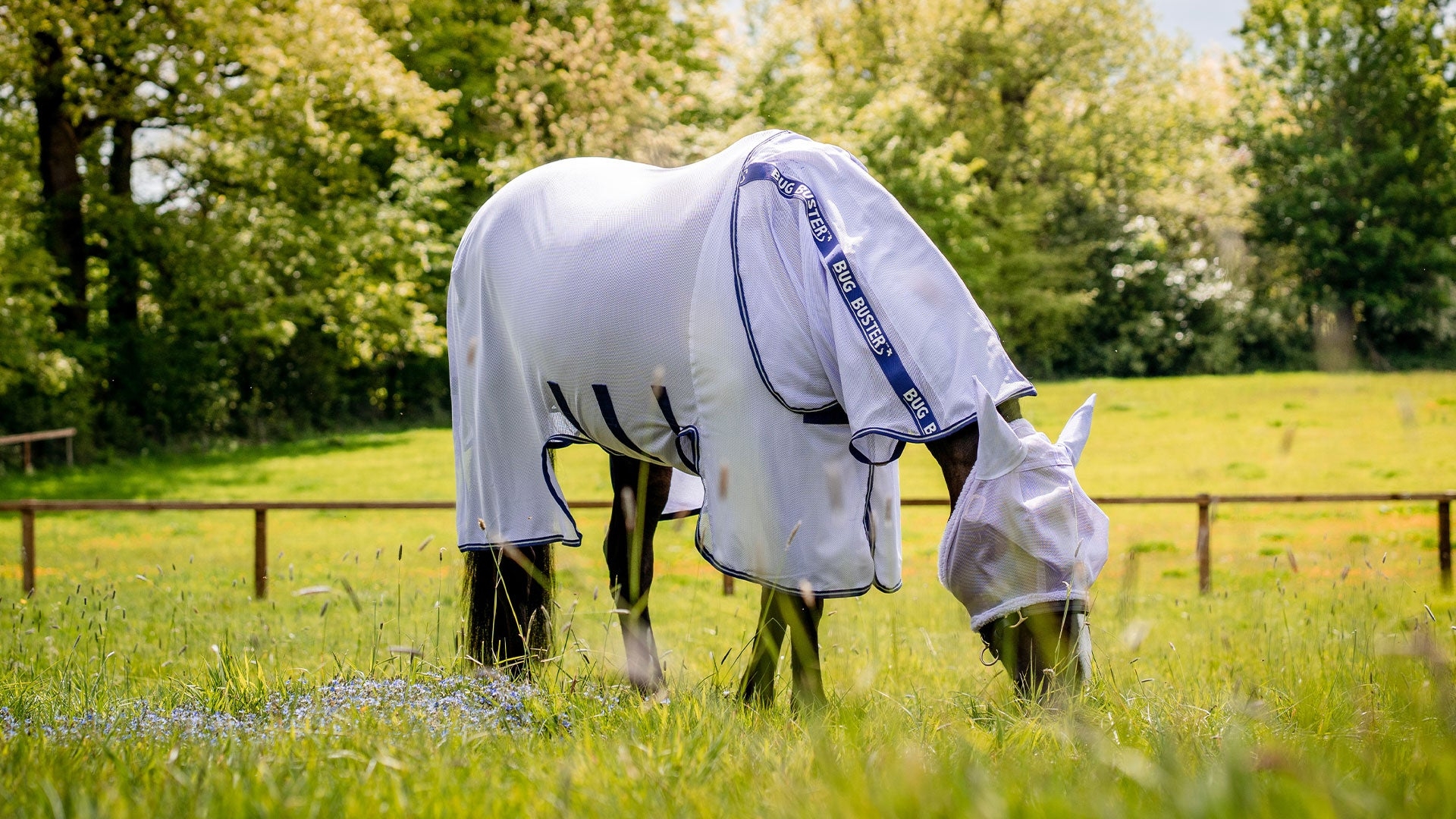
It's easy to protect your horse from flies with protective gear. Fly sheets cover the horse's body, while Fly masks protect the sensitive areas around the eyes, jaw, and sometimes the ears and muzzle. Fly boots are another useful gear, protecting your horse's legs from bites and irritation.
How to Apply Fly Control Products Effectively
There's a right way to apply fly control products. We want them to be as effective as possible, after all. Here's how to make the most of your fly sprays, repellents, masks, and sheets.
Applying Fly Sprays and Repellents
Start by choosing a well-ventilated area to avoid inhalation. Give the bottle a good shake. Spray a small amount onto a cloth or your hands. Then, gently apply it to sensitive areas like the face, avoiding the eyes and nostrils.
For the rest of the body, spray evenly across the coat. Hold the bottle about 20-25 cm away from the horse. Don't forget to let the product dry before turning your horse out or tacking up to make sure it sticks. Reapply as directed on the product label, especially after heavy sweating or bathing.
Frequently Asked Questions About Fly Control for Horses
What home remedy keeps flies off horses?
For a homemade fly spray, you can mix essential oils like eucalyptus with water. Use diluted apple cider vinegar as a coating. It is also believed that adding garlic to the horse's diet can help repel flies.
What can you put on horses to keep flies away?
Use fly masks, fly sheets, fly boots, and ear nets. Fly protective gear provides physical barriers to keep flies from bothering horses.
What is the best fly repellant for horses?
Look for fly repellents with ingredients like pyrethroids, permethrins, or natural oils such as citronella. Choose products that offer long-lasting protection and are safe for horses. Always check to ensure your fly protection is horse safe and competition approved.
What scent keeps horse flies away?
Scents like citronella, eucalyptus, lavender, and tea tree oil deter horse flies. These are commonly found in fly sprays and repellents for horses.
How do you keep flies out of horses' eyes?
Use a properly fitted fly mask that covers the eyes and ears. Ensure the mask is snug but comfortable to prevent flies from getting in. Regularly clean and maintain the mask to keep it working at its best.
The Best Fly Control for Horses