What Is a Hoof Abscess?
A hoof abscess is a localised infection inside the hoof.
Bacteria may enter through tiny cracks or separation in the hoof capsule, through sole trauma or following penetration. Excessively wet conditions can soften the hoof, while repeated changes from very wet to very dry conditions can contribute to cracking.
The classic presentation is much more sudden than thrush or early white line disease.
A horse that seemed normal yesterday may suddenly be very lame today.
Common Signs of a Hoof Abscess
Look for:
-
Sudden lameness in one leg
-
Reluctance to bear weight
-
Increased digital pulse
-
A hoof that feels warmer than the others
-
Localised sensitivity
-
Swelling near the heel or coronary band
-
Discharge if the abscess opens
Severe lameness should not automatically be assumed to be an abscess, however. Fractures and other serious injuries can produce similar signs. Veterinary assessment may therefore be necessary, particularly when the cause is unclear.
If your horse becomes suddenly severely lame, contact your vet
What Is White Line Disease?
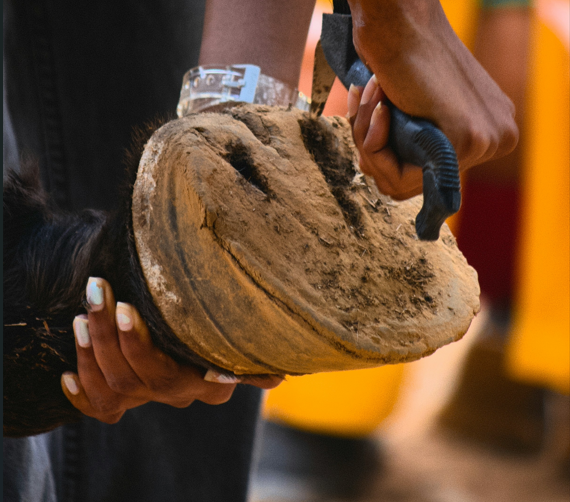
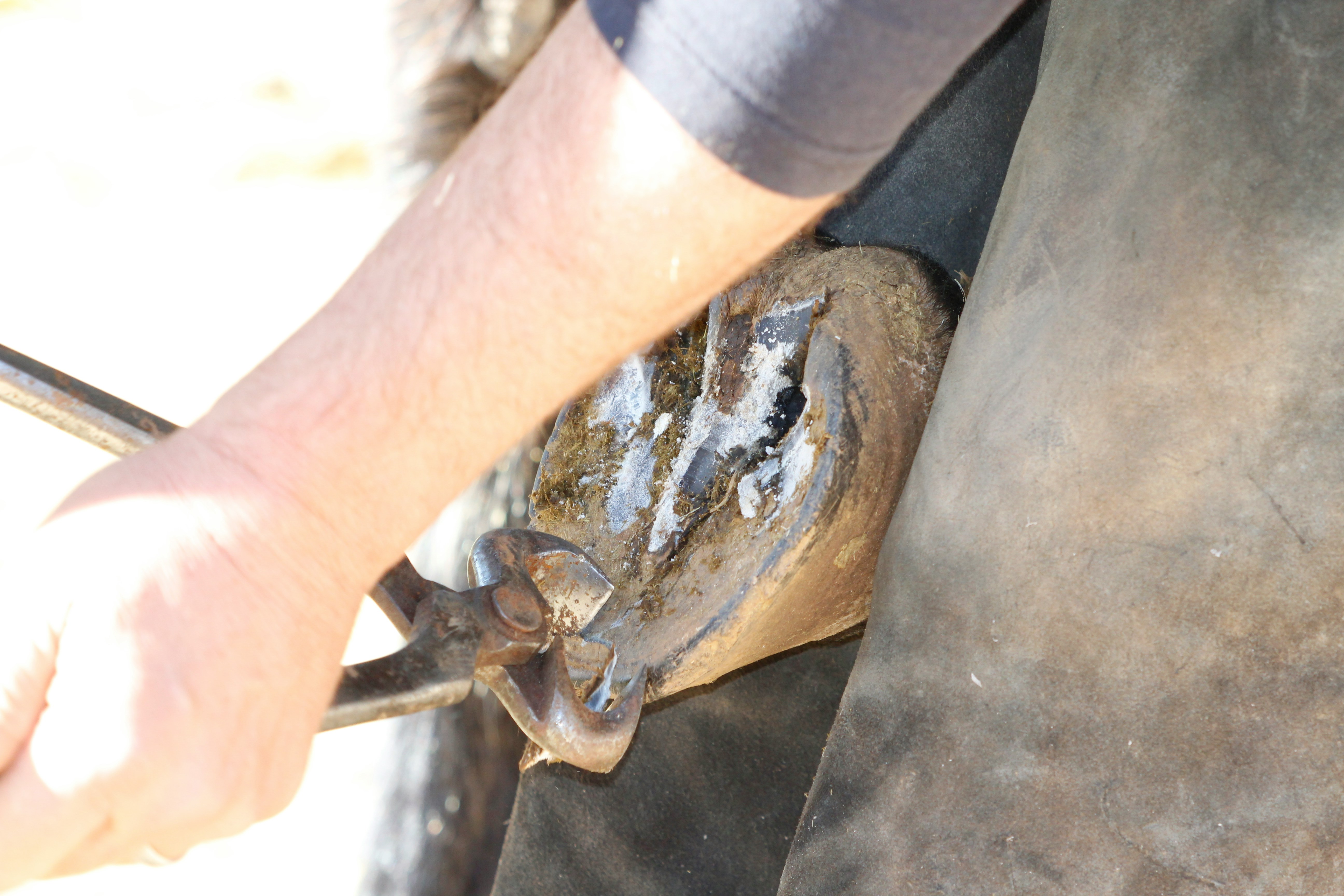
White line disease, sometimes referred to as seedy toe, involves separation and deterioration within the hoof wall.
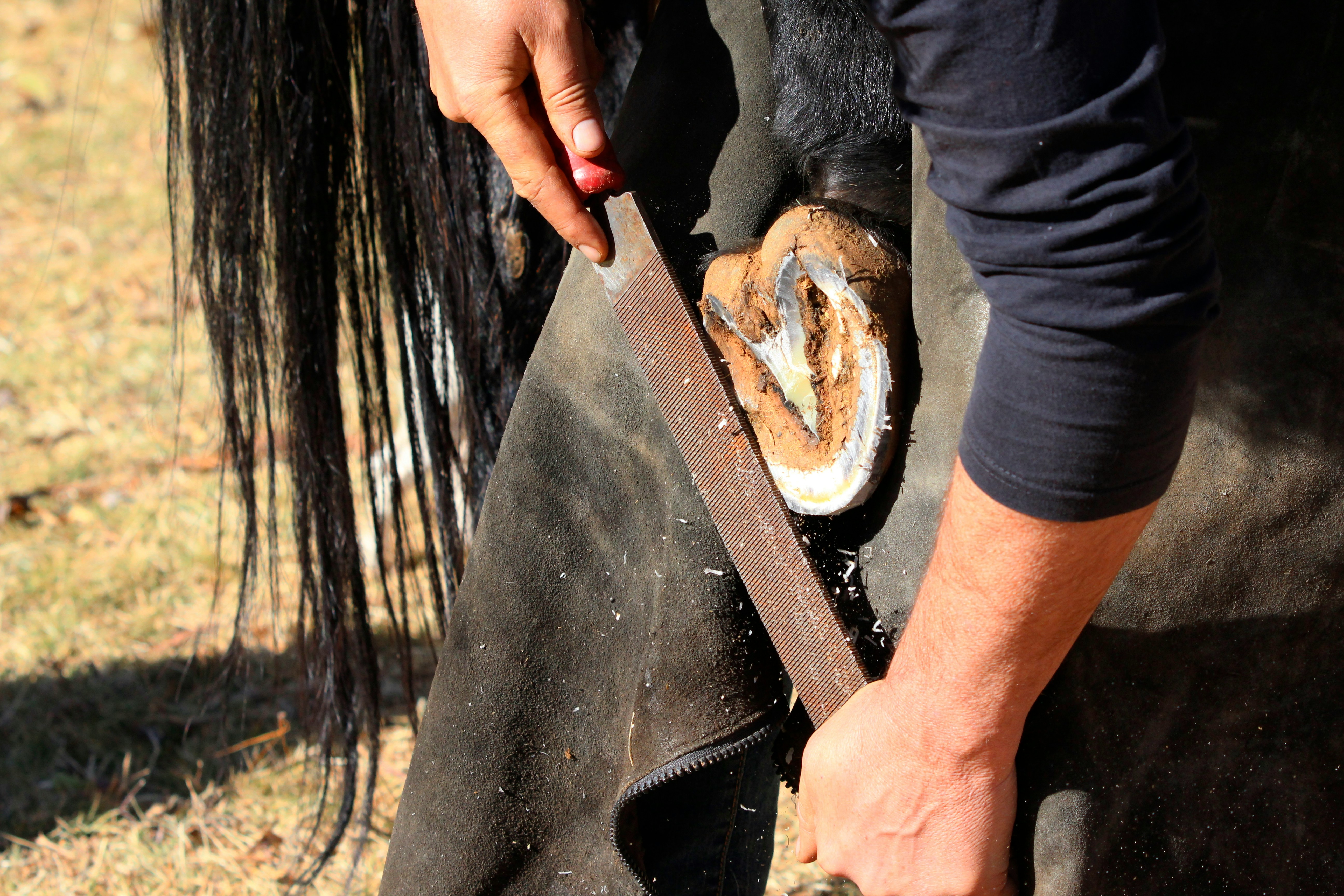
The outer wall can initially look surprisingly normal while damage develops underneath. A farrier may be the first person to notice a widened or crumbly white line during routine trimming.
Signs of White Line Disease
Watch for:
-
Powdery or chalk-like horn
-
Widening of the white line
-
Small cavities beneath the hoof wall
-
A hollow area of hoof wall
-
Flaring or distortion as the problem progresses
-
Repeated abscesses
-
Lameness in more advanced cases
The exact cause is not completely understood. Mechanical stresses and hoof imbalance can allow separation to occur, after which microorganisms may invade the affected horn.
Because the visible opening can underestimate the amount of hoof wall affected, professional examination is important.
How to Tell the Difference
Think about location, appearance and speed of onset.
If the Frog Smells and Looks Black
Thrush is more likely to be suspected.
The problem is centred around the frog rather than creating a cavity within the hoof wall.
If Your Horse Suddenly Becomes Very Lame
A hoof abscess is one possibility.
The onset is often rapid, and an increased digital pulse or warmth in one hoof may be noticeable.
However, sudden severe lameness can have other causes and should be treated seriously.
If the White Line Looks Crumbly or Hollow
White line disease may be suspected.
Unlike a typical abscess, the horse may remain completely sound during its early stages.
This is one reason routine farrier visits are so valuable.
What to Do When You Find a Hoof Problem
The right response depends on what you find.
For Suspected Thrush:
Keep the hoof as clean and dry as practically possible and speak to your farrier or vet about removing unhealthy horn and selecting an appropriate treatment.
Some topical products can be irritating to healthy tissue, particularly in deeper cases, so stronger is not automatically better.
For a Suspected Abscess:
Contact your vet or farrier as appropriate, especially when your horse is significantly lame.
Correctly establishing drainage usually brings substantial relief, but excessive removal of healthy sole should be avoided. Persistent or recurrent cases may require veterinary imaging.
For Suspected White Line Disease:
Arrange a farrier and veterinary assessment.
Treatment commonly involves removing undermined, diseased hoof wall and correcting mechanical stresses while maintaining enough support for the foot. Severe cases may need radiographs and specialised farriery.
Do not wait for obvious lameness before seeking help.
Preventing Hoof Problems in Wet Conditions
Autumn and winter can be challenging for hooves.
Periods of rain and mud can soften the hoof capsule, while repeated changes between wet fields and dry stables can create additional stress. Wet weather is associated with problems including thrush, hoof cracks, white line disease and abscesses.
A practical hoof-care routine can include:
-
Picking out feet every day
-
Removing compacted mud and bedding
-
Providing a clean, dry standing area where possible
-
Keeping stables clean and well bedded
-
Checking shoes regularly
-
Looking for cracks or white-line changes
-
Monitoring the frog for smell or discharge
-
Keeping up with regular farrier appointments
Also check the ground itself.
Deep mud can contribute to lost shoes and hoof problems, while very hard or stony ground can increase the risk of sole bruising. Horseware's injury-prevention guide has more advice on adapting horse care to changing ground conditions.
Building Hoof Checks into Your Horse Care Routine
You do not need to wait for lameness to inspect the feet.
Get familiar with what is normal for your horse.
When you pick up each foot, check:
Behaviour can provide clues too. A horse suddenly reluctant to pick up one foot, turn tightly or walk over firmer ground may be uncomfortable.
Our guide to understanding horse body language explains why small changes in posture and behaviour are worth paying attention to as part of everyday horse care.