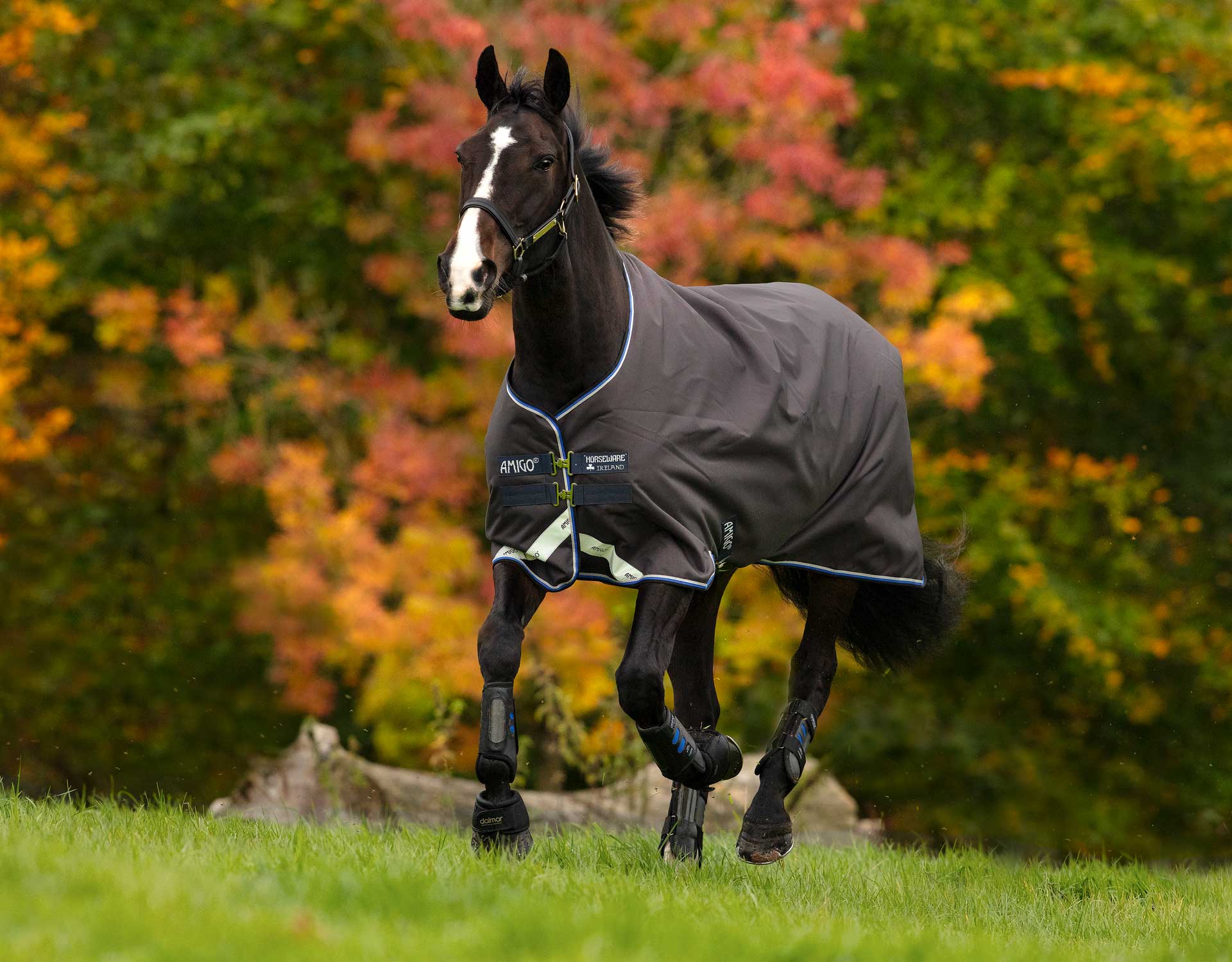
When it comes to choosing a rug for your horse, there isn’t a one-size-fits-all solution. In the first part of Horseware Ireland’s horse rug series, ‘Breaking Down the Rug’, we helped you understand the parts of rug. Selecting a rug to suit your horse’s needs requires considering several different factors beyond the fabric and design.
Deciding to leave your horse naked or rug them can be a difficult decision. Even once you have decided to use a rug there are lots of weight options for varying levels of warmth. We will go through each of the factors so you don’t have to dread making a decision on the type of rug your horse needs.
Weather
It would make sense that if you’re feeling cold then your horse is too but it’s not quite as easy as that. Did you know that horses have a thermoneutral zone of between 5°C and 25°C, whereas humans have a thermoneutral zone of around 25°C to 30°C?
The thermoneutral zone is where little or no extra energy is required to keep you or your horse at a comfortable temperature. Horses have a much wider thermoneutral zone than humans so just because you need to wear a jumper, your horse doesn’t necessarily need another layer.
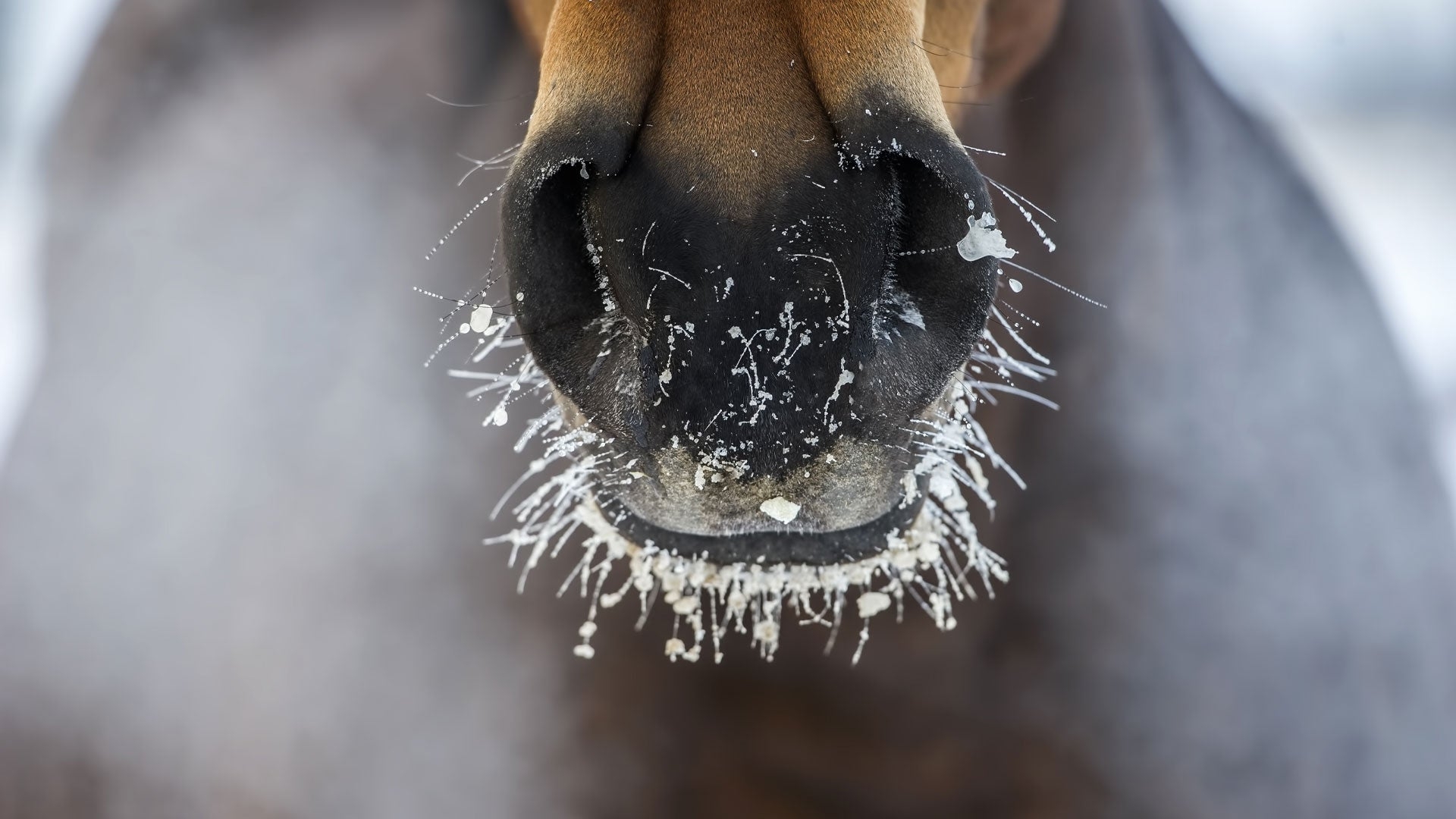
Windy and rainy conditions also influence rug choice alongside the temperature. When your horse is wet or there is a wind chill they are not able to retain heat as effectively. A turnout rug has a waterproof outer so helps to keep your horse’s core body temperature consistent. A rug can also offer protection against skin irritations like rain scald.
Shelter
Horses will try to seek shelter from the elements. In hot and sunny conditions, they may take cover under a manmade shelter, or find shade under a tree. On cold and wet days, they will huddle up with other horses, find protection under a shelter, or stand whinnying at the gate until you come and get them! Whilst all horses should have access to some kind of shelter, a rug will help provide additional protection, especially if they have no or limited shelter.
Type, Age & Condition
Each horse has individual rugging needs. Hardier types, such as native ponies, will need lighter weight rugs compared to horses with a thinner skin and coat, such as Thoroughbreds.
When deciding whether to rug or not, age and condition are key to consider. Horses have evolved to gain weight over the spring and summer before losing it in the cold winter months where traditionally food was scarcer. With plentiful food and rugging, horses don’t tend to lose any extra weight they may have gained on the summer grass. A horse that is carrying some extra pounds can safely lose excess weight by not wearing a rug or wearing a light weight one in the autumn.
Older horses, or those that struggle to keep their condition, will benefit from a rug to help keep their weight on through the winter.
Forage
Keep your horse warm from within by providing access to good quality forage. When eating and digesting food, heat is generated from the horse’s gut. You may find you need to feed more hay in the winter months. Their usual calorie intake may not be enough when the temperatures are dropping below their thermoneutral zone and extra energy is needed to keep them warm.
Clipping
As we approach autumn, your horse sheds their summer coat so that their winter coat can come in. The winter coat has thicker, longer hairs which stand up to trap heat. Horses have survived for years without rugs but you might choose to clip your horse which removes their natural winter coat.
Clipping can be done for a variety of reasons, including saving time, for grooming or showing purposes, and to prevent your horse getting sweaty while ridden. The amount of hair removed can vary from a bib clip which removes very little hair to a hunter or full clip which removes most or all of the hair.
Since clipping removes the natural insulation, this needs to be replaced in the form of a rug. The more hair removed, the more fill or weight the rug will need to compensate for. Using a rug also helps to prolong the amount of time before you have to reclip.
Time
Between friends, family, and work we know your time with your horse is valuable. The last thing you want to do after rushing to the yard after work is spend hours drying and grooming your horse so you can tack up. Consider using a turnout rug, even if it’s a light weight one with no fill, to keep your horse clean and dry. Now you won’t have to choose between going for a hack or getting all your chores done.
Acclimatisation
Horses that are moving to a new home may need some time to adapt. You may want to use rugs if your horse is travelling from a warmer climate to somewhere cooler, for example Spain to the UK. Horses are good at acclimatising though so usually by the following winter they will have a thicker winter coat.
Treat Your Horse as an Individual
Trust your own instincts when it comes to rugging your horse. You know them best so try not to be swayed by what other owners are putting on their horses. Their horses likely have different needs to yours.
Remember that you will have to reassess the factors and the type of rug that suits your horse throughout the autumn and winter. Even if you start with no rug you may need to change to a light weight turnout as the weather gets wetter. Equally, once the temperatures start to drop or you clip your horse you might want to opt for a heavy rather than medium weight rug.
Choosing a rug to suit your horse’s needs should be much easier now you know the factors that influence rug choice. Still a little unsure? Check out our Turnout Rugs with detailed product descriptions to fit your every need.
Stay tuned for part three of the series where we will help you keep your horse comfortable in all weathers by recognizing the signs they are too hot or too cold.