
How to Fit a Horse Rug Properly: Prevent Shoulder Rubs & Mane Loss
How to Fit a Horse Rug Properly: Prevent Shoulder Rubs & Mane Loss
| October 15, 2026
| 5 min read
A good horse rug needs to do more than keep your horse warm or dry. It also needs to stay secure without restricting movement, creating pressure points or rubbing sensitive areas.
A rug that fitted perfectly at the beginning of the season may not continue to fit in exactly the same way. Changes in weight, muscle, coat thickness and clipping can all affect how a rug sits, while straps can loosen with regular use.
That makes rug fitting an ongoing check rather than a one-off job.
Horseware recommends checking sizing and fit carefully because the correct fit helps prevent rubbing and rug slippage.
If you want to understand the different cuts, closures and features available before choosing a rug, take a look at our guide to the different parts and styles of a horse rug.
Table of Contents
-
Why Horse Rug Fit Matters
-
A Quick Horse Rug Fit Check
-
How to Prevent Shoulder Rubs
-
How to Prevent Mane Loss from Rugs
-
Checking Surcingles, Front Fastenings and Tail Straps
-
Signs Your Horse’s Rug Does Not Fit
-
Why Rug Fit Can Change During the Season
-
Keeping Rugs Clean and Comfortable
-
Supporting Your Horse’s Comfort with Horseware
-
Frequently Asked Questions About Horse Rug Fit
Why Horse Rug Fit Matters
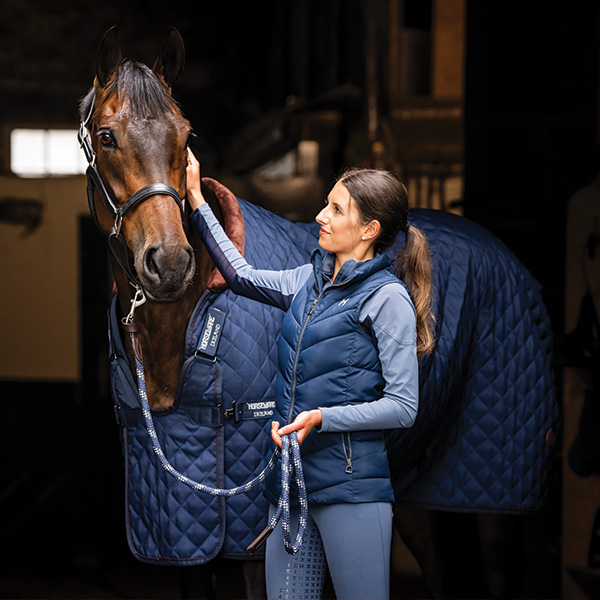
Your horse should be able to walk, graze, lie down and get back up comfortably while wearing their rug.
If the rug is too small, it may pull tightly across the shoulders, chest or withers. If it is too large, it may move excessively, slip to one side or allow straps to hang lower than intended.
Poor fit can show up as:
-
Rubbed or broken hair around the shoulders
-
Bald patches around the chest or withers
-
Mane thinning beneath a neck cover
-
Pressure points
-
A rug consistently slipping to one side
-
Fastenings pulling tightly across the chest
-
Surcingles hanging too low
-
The rug pulling backwards when your horse grazes
-
Skin irritation beneath dirty or damp areas of lining
Regularly removing the rug also gives you the opportunity to check the horse underneath it. Horseware recommends checking for pressure points and rubs rather than leaving a turnout rug on unchecked for prolonged periods.

A Quick Horse Rug Fit Check
When you put a rug on, work from front to back rather than tightening every fastening immediately.
1. Check the Overall Size
Horseware recommends measuring from the centre of the chest, across the point of the shoulder and towards the centre of the tail when establishing rug size. As horses of the same height can have very different builds, height alone is not enough to guarantee the right fit.
Once the rug is on:
-
Check that it sits evenly on both sides
-
Make sure it is not pulling backwards
-
Look for excess fabric hanging around the neck or shoulders
-
Check that the tail flap sits in the intended position
-
Walk your horse forward and allow them to lower their head
A rug can look fine while the horse is standing square but become restrictive once they start moving or grazing.
2. Check the Front
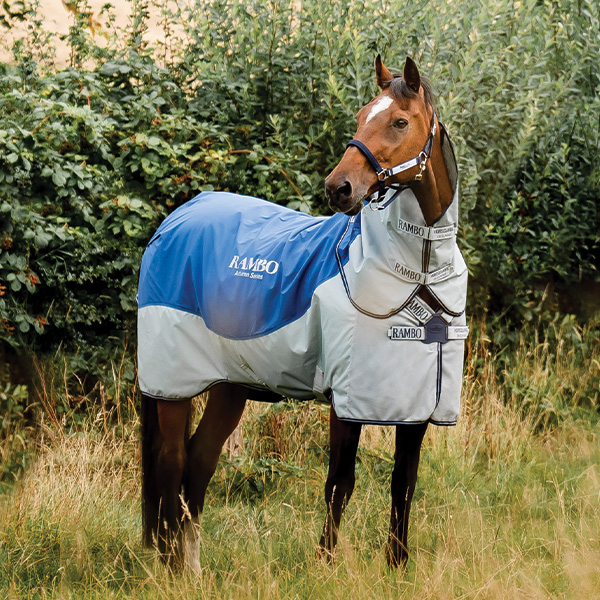
With a traditional front fastening, Horseware advises that the rug should overlap at the front, with the upper strap positioned in line with the point of the shoulder. You should also be able to comfortably fit a hand beneath the front of the rug.
Too much pressure here can contribute to rubbing and restricted movement.
Too much space, however, allows the rug to shift backwards and from side to side.
3. Check the Shoulders
Watch the horse walk.
The fabric should move with the shoulder rather than dragging tightly across it. If the horse takes a step forward and the entire rug pulls sharply backwards, reconsider the size, cut or front adjustment.
Horseware designs such as the V-Front closure are intended to reduce pressure around the shoulders during movement and grazing, while different cuts are designed for different body shapes.
4. Check the Belly
Cross surcingles need enough clearance for movement without hanging so low that a horse could catch a leg.
Horseware's fitting guidance recommends approximately four fingers of vertical space between the surcingles and the horse's belly.
Check them again after the rug has been worn, as webbing can loosen with use.
5. Check the Back of the Rug
If your rug uses a tail strap, Horseware recommends leaving enough room to fit a flat hand between the horse and strap, with the tail passing over it.
The aim is security without excessive tightness.

How to Prevent Shoulder Rubs
Shoulder rubs are one of the most obvious signs that something needs attention.
Do not simply cover a developing rub and continue using the rug in exactly the same way. First look for the cause.
Check the Rug Is Not Too Small
A rug that pulls tightly across the chest can place repeated pressure on the shoulder as the horse moves.
Look at your horse while:
-
Walking
-
Grazing
-
Turning
-
Getting up after lying down
Movement can reveal fit problems that are difficult to see when the horse is standing still.
Check the Rug Is Not Too Large
Going up a size is not always the solution to shoulder rubbing.
An oversized rug can move backwards and forwards, creating repeated friction. A rug that constantly slides to one side is another indication that the fit or style may not be suitable.
Consider Your Horse’s Shape
Horses vary enormously through the chest, shoulder and withers.
Horseware offers different rug styles because one cut will not suit every horse. For example, its Surefit design is intended to accommodate a broad range of horses, including broader chests, while Wug designs can suit narrower horses with higher withers.
For more help choosing a rug around your horse's individual needs, see our guide to the factors that influence rug choice.
How to Prevent Mane Loss from Rugs
Finding a section of mane becoming thinner during rugging season can be frustrating, particularly if your horse wears a neck cover regularly.
Mane loss may be associated with repeated friction, movement around the neck, dirt trapped beneath the lining or a neck cover that does not suit the horse's shape.
Start by removing the rug and checking:
-
The base of the mane
-
The withers
-
The underside of the neck cover
-
Any seams or edges sitting against the mane
-
Whether the neck cover is pulling when the horse grazes
Keeping the coat and rug clean is important too. Horseware recommends regularly removing rugs and grooming the horse to reduce the build-up of hair and grease. Cleaning the inside of neck covers can also help them move more freely against the coat.
If your horse already has broken skin, swelling or a sore area, stop using equipment that is rubbing it and seek veterinary advice where necessary.
Checking Surcingles, Front Fastenings and Tail Straps
Straps are designed to keep a rug secure, but badly adjusted or damaged fittings can become a safety problem.
Front Fastenings
Check that:
-
The rug is not being pulled excessively tight across the chest
-
Buckles and clips are fully secured
-
There are no sharp or damaged edges
-
Fastenings are not twisted
On Horseware V-Front rugs, the diagonal upper strap should follow the shoulder groove and the straight strap should sit at the point of the shoulder. Trigger clips should face inwards towards the chest to reduce the chance of catching.
Surcingles
Check that:
-
Straps cross correctly
-
They are not twisted
-
They are not hanging excessively low
-
The horse has enough room to move comfortably
-
Stitching and hardware remain secure
Do not assume a strap that was adjusted correctly several weeks ago is still in the correct position.
Tail Straps
Mud and dirt can quickly build up on tail straps.
Check them frequently and keep them clean, particularly during wet turnout. Also inspect clips and attachment points for damage.
Signs Your Horse’s Rug Does Not Fit
A rub is not the only clue.
Watch for more subtle signs including:
-
Repeatedly trying to rub or remove the rug
-
Sensitivity when you touch the shoulders or withers
-
Swelling
-
The rug moving backwards
-
The rug regularly slipping sideways
-
Tightness when the horse lowers its head
-
Broken mane hair
-
Damaged straps caused by abnormal tension
Knowing your horse's normal behaviour can make subtle changes easier to recognise. Our beginner's guide to horse body language explores some of the physical cues horses use to communicate discomfort and mood.
Why Rug Fit Can Change During the Season
Your horse's shape is not fixed.
Across autumn and winter, horses may:
-
Gain or lose condition
-
Build or lose muscle
-
Grow a thicker coat
-
Be clipped
-
Change workload
-
Spend different amounts of time turned out or stabled
All of these changes can affect fit.
The rug itself changes too. Webbing can loosen, linings can become dirty and repairs can alter how fabric sits.
Make checking the rug part of your normal grooming routine instead of waiting until a rub appears.
Keeping Rugs Clean and Comfortable
A well-fitting rug can still cause problems if the inside becomes heavily coated in grease, hair, sweat or mud.
Regularly:
-
Brush dried hair and dirt from the lining
-
Clean neck-cover linings
-
Check seams
-
Inspect straps and buckles
-
Repair small tears before they become larger
-
Allow wet rugs to dry appropriately
-
Follow the care instructions for washing
A clean lining also makes it easier to spot unusual wear patterns. If one small section is consistently dirty, flattened or covered in broken hair, take a closer look at how that area sits against your horse.
For more advice on keeping your horse comfortable throughout changing weather, read our rug fitting and horse comfort guide.
Supporting Your Horse’s Comfort with Horseware
Good rugging is about finding the balance between protection, freedom of movement and your individual horse's needs.
Horseware's range includes different cuts and front closures designed around different conformations and requirements. Understanding these options can make it easier to find a rug that stays secure without unnecessarily restricting the shoulders or withers.
Whatever rug you choose, continue checking it throughout the season.
The best fit is not simply the rug that looks neat when first put on. It is one that continues to allow your horse to move, graze and rest comfortably day after day.
Shop our horse rug collection now at Horseware.
Common FAQs
How do I know if my horse’s rug is too tight?
Look for tension across the chest and shoulders, pressure at the withers, difficulty lowering the head and areas of flattened or broken hair. Watch your horse move rather than assessing fit only when standing still.
Can a rug that is too big cause rubbing?
Yes. Excess movement can create friction, while an oversized rug may slip backwards or sideways. Bigger is not automatically more comfortable.
Why is my horse losing mane under a neck cover?
Check for excessive movement, pressure, dirt or grease beneath the neck cover and whether its shape suits your horse. Regular grooming and cleaning of the neck-cover lining can help reduce friction.
How tight should cross surcingles be?
Horseware recommends enough clearance to fit approximately four fingers vertically between the surcingles and the horse's belly.
How often should I check rug fit?
Ideally, check your horse whenever you remove or replace the rug and carry out a more thorough fit and condition check regularly throughout the season. Pay particular attention after clipping or noticeable weight and muscle changes.
Should I keep using a rug if it has caused a sore?
Remove the source of rubbing and inspect the skin. Broken skin, swelling, heat, discharge or significant tenderness may require veterinary attention. Do not simply cover the area and continue with the same fit.

Share on Facebook

Share on X

Share on Pinterest

Share on LinkedIn

Share on Copy