Spring grass has a reputation for causing problems, but autumn is not automatically a safe season for horses prone to laminitis.
Grass growth can change quickly after autumn rainfall, and cooler nights can affect the way plants use the sugars produced during the day. For susceptible horses, this can make pasture management particularly important as summer moves into autumn.
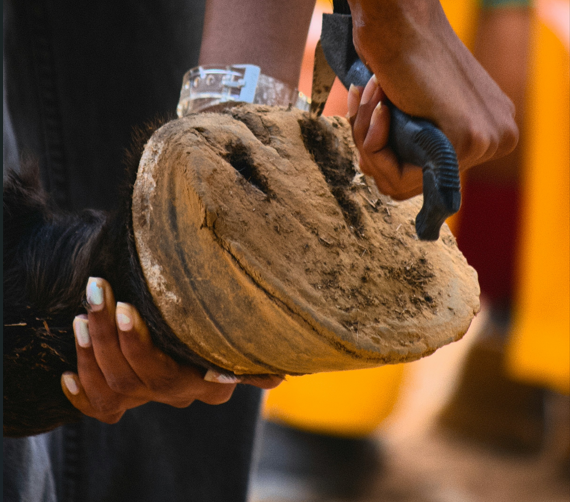
Laminitis itself is an extremely painful condition affecting the sensitive structures inside the hoof and should always be treated seriously. It can happen at any time of year, not only in spring.
Knowing your individual horse, monitoring their weight and recognising subtle warning signs can help you act quickly.
Table of Contents
-
Why Autumn Grass Can Still Be a Laminitis Risk
-
Horses Most at Risk of Laminitis
-
Early Warning Signs of Laminitis
-
Why Cool Autumn Weather Affects Grass Sugars
-
Creating an Autumn Grazing Plan
-
Grazing Muzzles, Track Systems and Other Useful Gear
-
Weight, Exercise and Rugging Through Autumn
-
What