
How to Clip a Horse
Clipping your horse can help improve comfort during work and support recovery after exercise. With the right preparation and a steady approach, it’s a process that can feel both manageable and rewarding.
Whether you’re clipping for the first time or refining your technique, taking the time to plan and work carefully will help you achieve a neat, even finish while keeping your horse relaxed throughout.
Table of Contents
-
Introduction: Why Clip a Horse
-
When Should You Clip a Horse
-
Horse Clipping Checklist
-
Preparing to Clip Your Horse
-
How to Clip a Horse: Step-by-Step
-
What to Consider when Clipping Sensitive Areas
-
What Not to Clip (FEI Guidelines)
-
Aftercare Following Clipping
-
Supporting Your Horse’s Comfort with Horseware
-
Frequently Asked Questions on Horse Clipping
When Should You Clip a Horse?
One of the most common questions horse owners ask isn’t how to clip, but whether clipping is needed at all.
In general, it’s worth considering when your horse’s natural coat begins to impact their comfort, performance, or ability to recover after work.
You might notice:
-
Excessive sweating during light or moderate exercise
-
A coat that takes a long time to dry
-
Dampness that lingers, increasing the risk of chills
-
A thick winter coat developing despite regular work
-
Conditions such as Cushing’s (PPID), which can cause increased hair growth
Clipping decisions often follow the seasons:
-
Autumn (Sept–Nov): A first clip is often introduced as winter coats come through
-
Winter (Dec–Feb): Maintenance clips may be needed every 4–8 weeks
-
Spring (Feb–Apr): Horses still in work may benefit from a final clip
-
Summer: Rare, but sometimes appropriate for horses with heavier coats or specific needs
Workload also plays a role:
-
Light work: A minimal or partial clip (such as a trace or chaser)
-
Moderate work: A blanket or higher trace clip
-
Heavy work or competition: Often suited to a full clip
Ultimately, clipping should always be balanced with your ability to manage rugging, turnout, and changing weather conditions.
Horse Clipping Checklist
Before clipping:
-
Horse clean and fully dry
-
Clippers serviced, blades sharp and oiled
-
Safe, quiet clipping area prepared
During clipping:
-
Work methodically and evenly
-
Oil blades regularly
-
Monitor heat and comfort
After clipping:
-
Remove loose hair
-
Rug appropriately
-
Clean and store equipment
Preparing to Clip Your Horse
Taking time to prepare properly will make the entire process easier for both you and your horse.
Start by checking your equipment. Clippers should be in good working condition, with sharp, correctly tensioned blades. Oiling every 5 to 10 minutes during use helps reduce friction and keeps the clip comfortable.
If you are using electric clippers, it is important to prioritise safety. Using an RCD, also known as a residual current device, and keeping cables positioned safely away from your horse will help prevent accidents.
1. Clean & Dry the Coat
A clean, dry coat is essential for an even finish. Clipping a dirty coat will:
-
Dull blades quickly
-
Increase friction and heat
-
Lead to an uneven finish
Bathing the day before clipping is ideal. If that is not possible, thorough grooming and hot clothing will help remove dirt and grease.
2. Check Your Equipment
Make sure your clippers are in good working condition before you begin.
-
Blades should be sharp, correctly tensioned, and well-oiled
-
Oil every 5–10 minutes during use
-
Keep a spare set of blades ready
If using mains-powered clippers:
-
Use an RCD (residual current device)
-
Keep cables positioned safely away from your horse
3. Set Up a Calm Environment
Choose a quiet, familiar space where your horse feels relaxed.
Good lighting will help you maintain a clean, even finish. A non-slip surface improves safety, and minimising distractions will help your horse stay settled throughout.
4. Introduce your Horse to the Clippers
If your horse is new to clipping or a little sensitive, a gradual introduction can make all the difference.
Let them see and smell the clippers while switched off, then introduce the sound from a distance before moving closer. Starting in a less sensitive area, such as the shoulder, can help build confidence.
How to Clip a Horse - Step-by-Step
Step 1: Plan your clip
Decide on your clip type before you begin. Marking your lines with chalk can help create a balanced and symmetrical finish.
Step 2: Start in a comfortable area
Begin at the shoulder or neck where your horse is more relaxed. This helps both you and your horse settle into the process.
Step 3: Clip against the direction of the coat
Work against the direction of hair growth using long, steady strokes. Keep the blades flat against the skin and overlap each stroke slightly to avoid visible lines.
Step 4: Work evenly across the body
Clip in sections and step back regularly to check your lines. Keeping both sides even will improve the overall finish.
Step 5: Maintain your clippers during use
Stop regularly to maintain your equipment.
Brush away loose hair, oil the blades, and check that they are not overheating. This should be done every five to ten minutes to keep the clip smooth and comfortable.
Clipping Sensitive Areas
Areas such as the legs, belly, face, and around the ears benefit from a slower, more careful approach.
Using smaller trimmers can help improve precision, while gently keeping the skin taut reduces the risk of nicks. Taking your time here will also help your horse stay relaxed.
What Not to Clip
If your horse competes under FEI rules, clipping must follow specific welfare guidelines.
Sensory hairs, including whiskers, must not be clipped or removed. Hair inside the ears must also not be removed, as it provides protection against insects and environmental factors.
These rules are part of the FEI Veterinary Regulations and are designed to support horse welfare.
Aftercare Following Clipping
Once clipping is complete, a few simple steps will help keep your horse comfortable.
-
Remove loose hair from the coat
-
Use a warm cloth or sponge to lift remaining hair and soothe the skin
-
Apply appropriate rugging based on weather, workload, and clip level
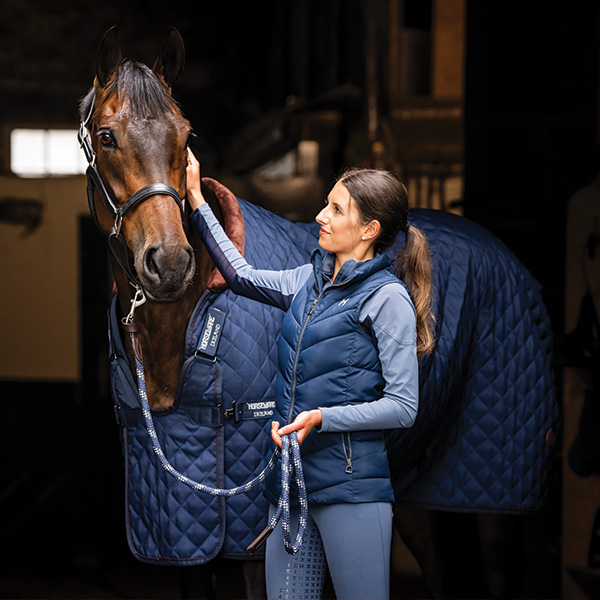
Clipped horses lose much of their natural insulation, so getting rugging right is essential. For more tips on rug fitting, check out our rug fitting guide.
It’s also worth monitoring your horse in the days following clipping for any signs of skin sensitivity or changes in temperature comfort.
Finally, clean and oil your clippers before storing them to keep them in good condition for next time.
Supporting Your Horse’s Comfort with Horseware
Clipping is just one part of a well managed horse care routine. From grooming and rugging to recovery and turnout, each step plays a role in keeping your horse comfortable and performing at their best.
Choosing the right rug becomes especially important once your horse has been clipped, helping to support temperature regulation and protection in changing conditions.
If you would like to explore further, you can browse the full Horseware rug collection to find the right fit, or take a look at our other blogs for practical guidance on horsecare.
Frequently Asked Questions on Horse Clipping:
Does my horse actually need clipping?
Clipping is usually worth considering when your horse’s coat begins to affect their comfort, performance, or recovery after work.
When should you clip a horse?
Most horses are clipped during autumn and winter, with timing depending on coat growth, workload, and individual needs.
What type of clip is right for my horse?
The right clip depends on your horse’s workload, living conditions, and how much natural protection they need to retain.
How often should I re-clip my horse?
This will vary, but many horses require maintenance clips every four to eight weeks as the coat grows back.
Will my horse need a rug or blanket after clipping?
Yes, in most cases. Clipping removes natural insulation, so appropriate rugging is important to keep your horse comfortable.
How do I clip a nervous Horse?
Yes, in most cases. Clipping removes natural insulation, so appropriate rugging is important to keep your horse comfortable.
About The Author - The Horseware Team
Horseware Ireland, founded in 1985, revolutionized the equestrian world with the iconic Rambo Original turnout rug and has since become a global leader in horse rugs and equine products. Known for innovation and quality, we have pioneered industry-first technologies like V-Front closures, therapeutic rugs, and sustainable materials. With a strong presence across Europe and North America, we continue to set the standard for performance, comfort, and care. Trusted by equestrians worldwide.

Share on Facebook

Share on X

Share on Pinterest

Share on LinkedIn

Share on Copy
Related Products
