
Dietary Approaches for Horses with Sweet Itch
What to Feed a Horse with Sweet Itch
Diet can play a role in managing sweet itch. Providing a nutritionally balanced diet can support the immune system and promote skin health. Consider including:
- Omega-3 fatty acids, found in flaxseed or fish oil, to reduce inflammation and improve skin condition
- Vitamin E and zinc, which promote skin repair and healing
- Probiotics and prebiotics to strengthen immune function and gut health
- Low-sugar and low-starch feeds to prevent metabolic issues that can exacerbate inflammatory responses
Frequently Asked Questions (FAQ)
How Do You Get Rid of Sweet Itchy Horses?
Sweet itch cannot always be cured, but it can be effectively managed with a combination of insect control, protective blankets, dietary support, and veterinary treatments.
Is Sweet Itch Contagious?
No, sweet itch is not contagious. It is an allergic reaction to insect bites and cannot spread from horse to horse.
Does the Sweet Itch Injection Work?
Some horses benefit from allergy desensitisation injections, but the results vary. Consult your veterinarian to see if this treatment is suitable for your horse.
What Age Do Horses Get Sweet Itch?
Horses can develop sweet itch at any age, but symptoms often appear within the first few years of life if the horse is genetically predisposed.
Let Horseware Keep Your Horse Sweet Without the Itch
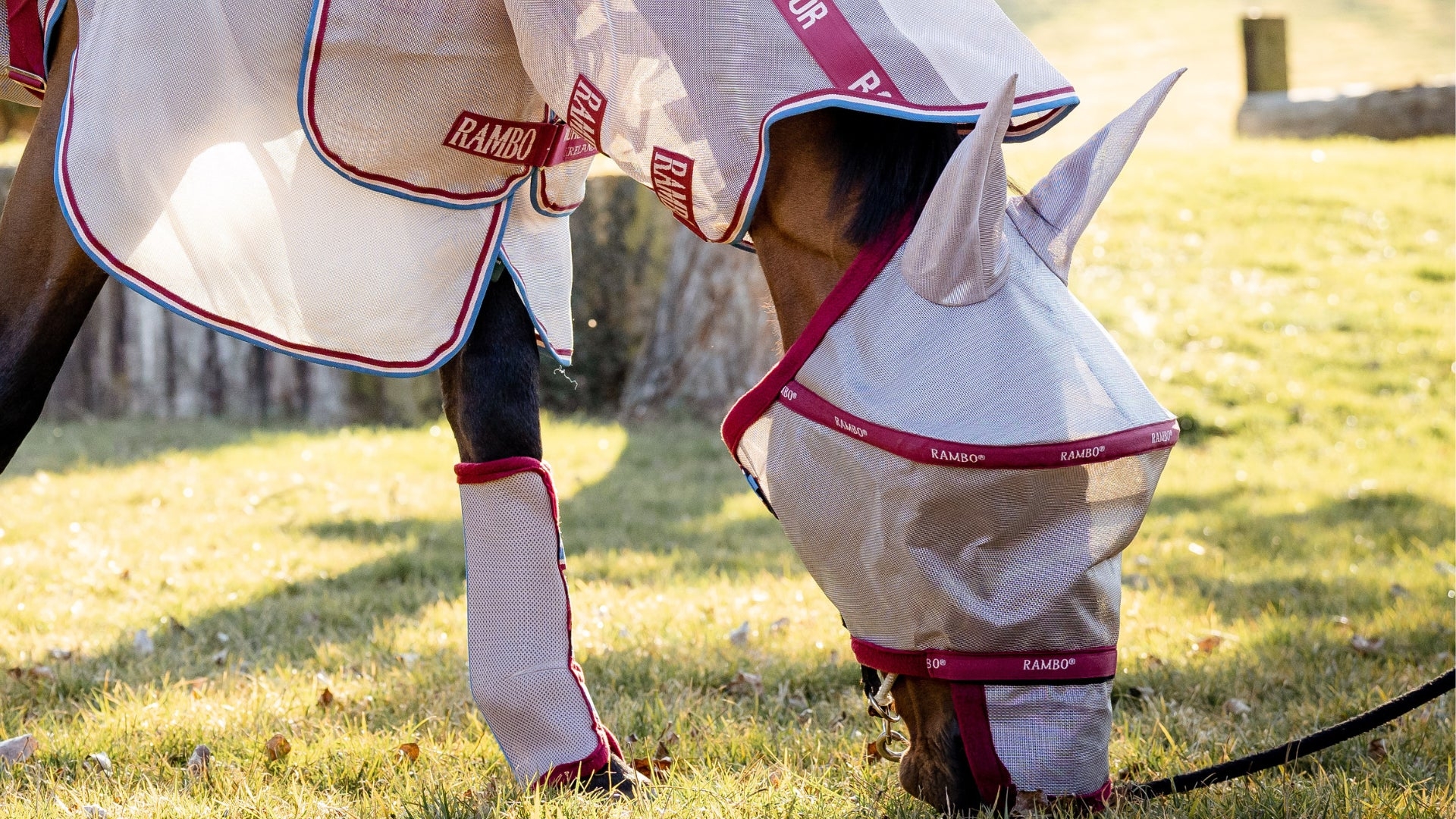
Investing in the right fly prevention gear is essential for managing sweet itch. Check out our guide on the best fly boots for horses and explore Horseware’s range of protective rugs and accessories to keep your horse comfortable all season long.