
How to Choose the Right Headcollar for Your Horse
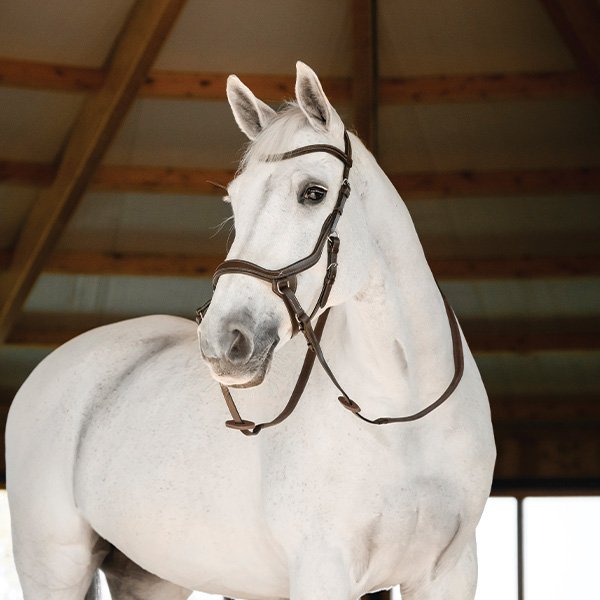
A headcollar is one of the most-used pieces of everyday equipment in any horse owner’s tack room. From bringing your horse in from the field to grooming, travelling, tying up, or handling around the yard, the right headcollar can make daily routines safer and more comfortable for both horse and handler.
With so many different styles, materials, and fits available, choosing the best headcollar for your horse can feel like a small decision, but it’s an important one. We’ll be sharing advice on how to choose the right headcollar for your horse, what features to look for, and how Horseware’s headcollars are designed to support comfort and safety, aligning with FEI Guidelines.
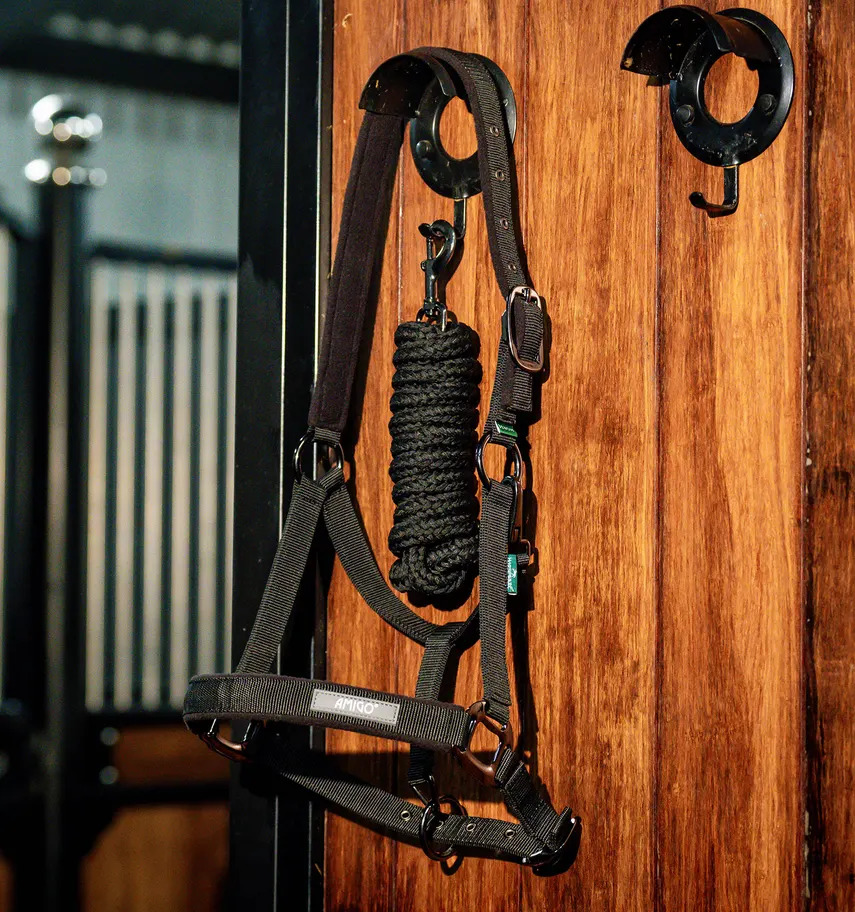
Table of Contents
-
Why Use a Headcollar on Your Horse?
-
How to Choose the Right Headcollar for Your Horse
-
Consider the Fit First
-
Choose the Right Material
-
Webbing Headcollars
-
Fleece-Lined Headcollars
-
Leather Headcollars
-
Think About Safety
-
Match the Headcollar to the Job
-
For Everyday Use
-
For Grooming
-
For Turnout
-
For Travel and Competition
-
Check Adjustability
-
Keep Comfort in Mind
-
Care for Your Headcollar
-
Complete Your Horse’s Everyday Essentials
Why Use a Headcollar on Your Horse?
A headcollar is an essential part of caring for and handling your horse. It gives you a safe, practical way to lead, hold, groom, and move your horse when needed.
There are several reasons why choosing the right headcollar matters:
-
Helps you handle your horse safely during daily yard routines.
-
Supports comfort around sensitive areas such as the poll, nose, and cheeks.
-
Provides adjustability for a secure, tailored fit.
-
Can be chosen for specific uses such as turnout, grooming, travelling, or competition.
-
Helps give your horse a smart, polished look while still being practical.
Because a headcollar is used so regularly, fit and comfort should always come first. A poorly fitting headcollar can rub, slip, sit too tightly, or create pressure in the wrong places. The best headcollar is one that suits your horse’s size, shape, temperament, and routine.
How to Choose the Right Headcollar for Your Horse
With lots of different headcollars available, it’s important to consider where, when, and how your horse will wear it. A horse who mainly needs a headcollar for grooming may need something different from a horse who wears one for turnout or travel.
Think about your horse’s daily routine. Are they turned out for long periods? Do they travel regularly? Do they have sensitive skin? Are they young, strong, or still learning to tie up quietly? These small details can help you choose the most suitable style.
Consider the Fit First
A good fit is one of the most important things to look for in a headcollar. It should sit comfortably without pinching, rubbing, or hanging too loosely.
The headpiece should rest neatly behind the ears, the noseband should sit comfortably across the nose, and the cheek pieces should lie flat against the face. You should be able to adjust the headcollar so it feels secure but not restrictive. FEI Endurance tack guidance emphasises that equipment should be correctly fitted and not cause discomfort or irritation. As a simple check, allow at least two fingers under the noseband to ensure it is not too tight.
Horseware headcollars are available in a range of sizes, including Pony, Cob, Horse, Large Horse, Small Horse, and Standard Horse options, depending on the style. As every horse is different, it’s always best to use the size guide and take your horse’s measurements before choosing.
When checking the fit, make sure:
-
The noseband is not sitting too low on the soft part of the nose.
-
The headpiece is not pressing tightly behind the ears.
-
The cheek pieces are even on both sides.
-
The throat area allows your horse to move comfortably.
-
The headcollar is not loose enough to catch on objects or slip over the ears.
Choose the Right Material
The material of your headcollar can make a big difference to comfort, durability, and care.
Webbing Headcollars
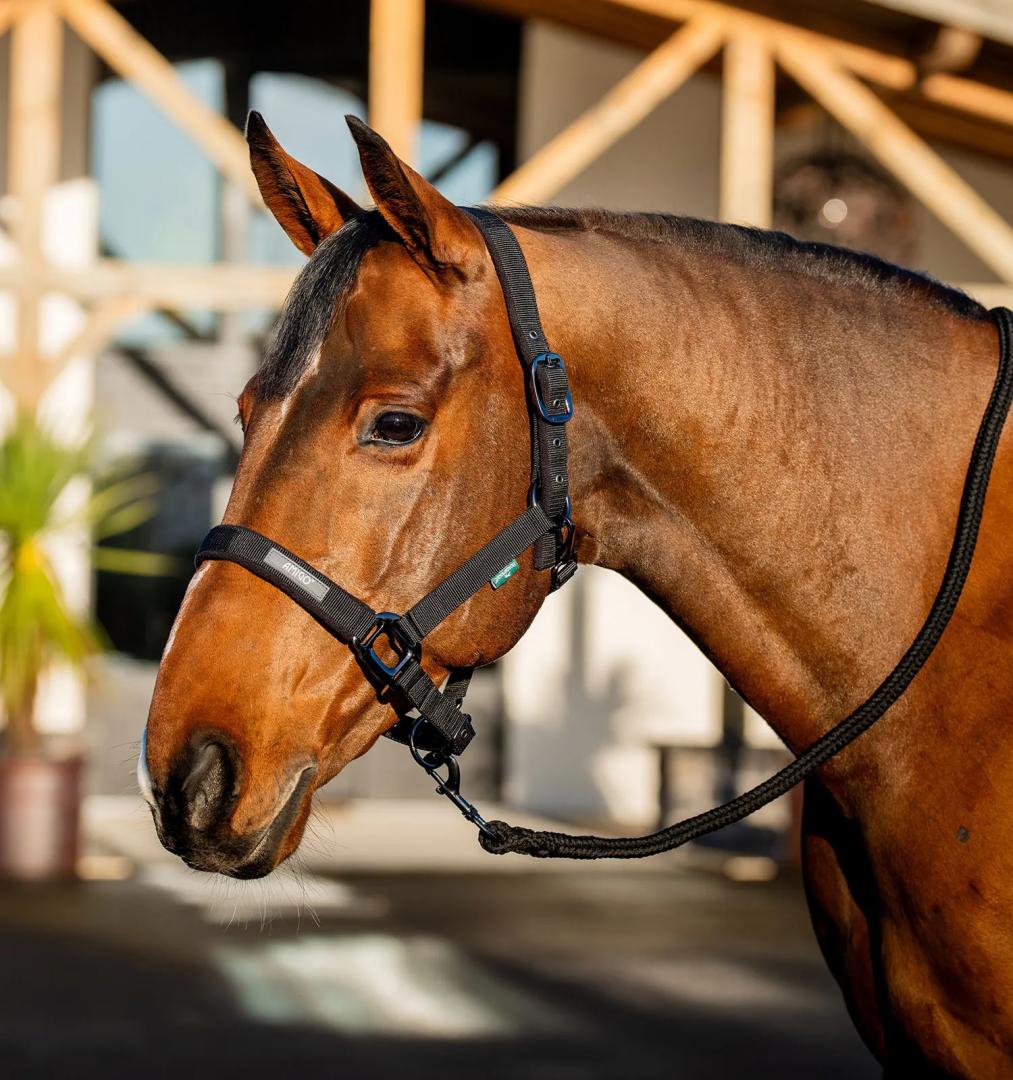
Webbing headcollars are a practical choice for everyday use. They are lightweight, durable, and easy to clean, making them a great option for busy yards and regular handling. Many Horseware styles use hard-wearing polypropylene webbing, often with soft fleece lining around sensitive areas for added comfort.
The Amigo® Headcollar & Leadrope Set is a great everyday option, combining durable webbing with a fleece-lined headpiece and noseband. It also includes a matching 2m leadrope, making it a convenient set for daily use.

Pictured:
Amigo® Headcollar & Leadrope Set
Fleece-Lined Headcollars
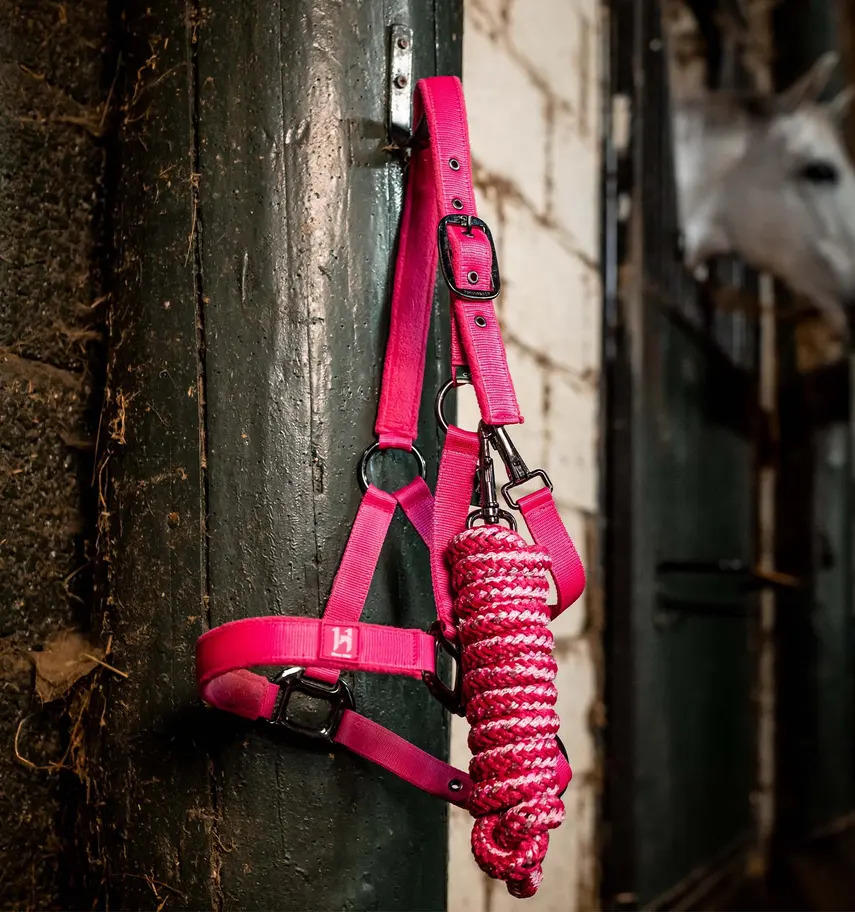
If your horse is sensitive or prone to rubbing, a fleece-lined headcollar can help reduce pressure and improve comfort. Fleece lining around the poll and nose can be especially useful for horses with finer coats or delicate skin.
The Horseware® Newmarket Headcollar & Leadrope is designed with fleece lining over the poll and nose, adjustable fittings, and strong hardware, giving a smart finish while keeping comfort in mind.

Pictured:
Horseware® Newmarket Headcollar & Lead Rope
Leather Headcollars
Leather headcollars are often chosen for travelling, competition, and presentation. They offer a classic, polished look and can be a smart addition to your tack room. Leather styles should be cared for regularly to keep them supple and in good condition.
For a more premium look, styles such as the Horseware® Signature Leather Headcollar or Horseware® Signature Braided Headcollar can be a great choice for special occasions, travelling, or turnout at events.

Pictured:
Horseware® Newmarket Headcollar & Lead Rope
Think About Safety
Safety is always an important consideration when choosing any equipment for your horse.
If your horse needs to wear a headcollar in the field, choose a style designed specifically for turnout. Standard headcollars are not always suitable for unattended use, as they can become caught on fencing, gates, branches, or stable fittings.
A field-safe headcollar is designed to release under pressure, helping reduce the risk of injury if your horse becomes caught.
The Horseware® Fieldsafe Headcollar is designed for safe use in the field, with features such as a reusable Velcro release point, quick-release cheek clip, adjustable noseband, and reflective details to help visibility in low light.
For travelling or tying up, consider your horse’s behaviour and level of training. Some horses may benefit from headcollars with additional comfort or safety-focused design features.
Match the Headcollar to the Job
Different situations may call for different types of headcollar.
For Everyday Use
For daily bringing in, leading, grooming, and general yard routines, choose something comfortable, durable, and easy to adjust. A webbing headcollar with soft lining is a great all-round choice.
The Amigo® Headcollar & Leadrope Set is ideal for everyday handling, with practical materials, comfortable fleece lining, and seasonal colourways that can be matched with other accessories.
For Grooming
If you use a headcollar mainly for grooming, comfort and easy adjustability are key. Look for a soft, lightweight style that allows your horse to stand comfortably while you brush, wash, or prepare them for riding.
The Horseware® Signature Grooming Headcollar is a smart option for grooming and handling, offering a practical design with a polished look.
For Turnout
For horses who need a headcollar in the field, choose a field-safe design. Look for breakaway or release features, reflective details, and adjustability. A turnout headcollar should never be too loose or too tight, and it should be checked regularly for wear and tear.
The Horseware® Fieldsafe Headcollar is designed specifically with turnout safety in mind.
For Travel and Competition
For travelling, shows, or competition days, you may want a headcollar that is both comfortable and smart. Leather or anatomically designed headcollars can offer a more premium look while still supporting comfort.
The Micklem® Competition Bridle is a great option for horses who benefit from a more anatomical shape, while Horseware Signature styles offer a classic finish for a polished appearance.
Check Adjustability
Adjustability is especially important because every horse’s head shape is different. Two horses of the same height may need different sizes depending on whether they have a finer head, broader jaw, larger cheekbones, or wider nose.
Look for adjustable features such as:
-
Adjustable headpiece.
-
Adjustable noseband.
-
Buckles on both sides of the headpiece.
-
Chin adjustment.
-
Secure, easy-to-use hardware.
A headcollar with multiple points of adjustment helps you achieve a better fit and can make the product more versatile as your horse changes condition through the seasons.
Keep Comfort in Mind
Your horse’s head has many sensitive areas, so comfort should always be a priority. Look for soft materials, smooth edges, secure stitching, and padding or lining where needed.
A comfortable headcollar should not rub behind the ears, across the nose, or along the cheeks. If your horse is showing signs of discomfort, such as tossing their head, rubbing, pulling away, or becoming difficult to catch or lead, it’s worth checking whether the headcollar fit or material could be contributing.
Care for Your Headcollar
Taking care of your headcollar helps it last longer and stay comfortable for your horse.
Webbing headcollars should be cleaned regularly to remove mud, sweat, and hair. Always close fastenings before washing, and allow the headcollar to air dry fully before storing or using again.
Leather headcollars should be cleaned and conditioned with suitable leather care products to maintain suppleness and prevent cracking.
When storing headcollars, keep them in a cool, dry place away from damp, excessive heat, or prolonged direct sunlight. Check buckles, stitching, clips, Velcro, and release points regularly so you know your headcollar is safe and ready to use.
Find Your Next Headcollar at Horseware
A good headcollar should make daily handling easier, safer, and more comfortable. By choosing the right size, material, and style for your horse’s needs, you can support their comfort while keeping your yard routine simple and practical.
Whether you’re bringing your horse in from the field, preparing for a show or simply enjoying time together at the yard, the right headcollar is an everyday essential worth choosing carefully.
Explore the Horseware Ireland headcollar range to find the perfect fit for your horse.
Common FAQs About Horsecollars
What is a headcollar used for?
A headcollar is used for everyday horse handling, including leading, grooming, tying up, travelling, turning out, and bringing your horse in from the field. It helps you handle your horse safely while supporting comfort for your horse.
How should a horse headcollar fit?
A horse headcollar should sit securely without being too tight or too loose. The headpiece should rest neatly behind the ears, the noseband should sit comfortably across the nose, and the cheek pieces should lie flat against the face. You should be able to adjust the fit so your horse can move comfortably without the headcollar slipping or catching.
How tight should a headcollar be?
A headcollar should be snug enough to stay in place, but never tight enough to pinch, rub, or restrict your horse. As a simple fit check, allow space under the noseband and make sure there is no pressure behind the ears or across the cheeks.
What size headcollar does my horse need?
The right size depends on your horse’s head shape as well as their height or breed type. Common sizes include Pony, Cob, Horse, Large Horse, Small Horse, and Standard Horse, depending on the style. Always check the size guide and adjust the headcollar carefully once fitted.
Can a horse wear a headcollar in the field?
If your horse needs to wear a headcollar in the field, choose a field-safe or breakaway design created specifically for turnout. Standard headcollars are not always suitable for unattended use, as they may become caught on fencing, gates, branches, or stable fittings.
What is a field-safe headcollar?
A field-safe headcollar is designed to release under pressure if your horse becomes caught. This helps reduce the risk of injury during turnout. Look for safety-focused features such as a release point, adjustable fit, secure hardware, and reflective details for visibility.
What material is best for a horse headcollar?
The best material depends on how you plan to use it. Webbing headcollars are lightweight and practical for everyday use, fleece-lined headcollars can help reduce rubbing on sensitive horses, and leather headcollars are often chosen for travelling, competition, or a smart polished look.
Are fleece-lined headcollars good for sensitive horses?
Yes, fleece-lined headcollars can be a good choice for horses with sensitive skin or those prone to rubbing. Soft lining around the poll and nose can help reduce pressure and improve comfort during regular handling.
How do I clean a horse headcollar?
Webbing headcollars should be cleaned regularly to remove mud, sweat, and hair, then allowed to air dry fully before use. Leather headcollars should be cleaned and conditioned with suitable leather care products to help keep the leather supple and prevent cracking.
When should I replace my horse’s headcollar?
Replace your horse’s headcollar if you notice frayed webbing, cracked leather, damaged stitching, broken buckles, weakened clips, or worn safety-release points. Regular checks help make sure your headcollar remains safe, comfortable, and reliable.

Share on Facebook

Share on X

Share on Pinterest

Share on LinkedIn

Share on Copy