
A Guide to Bringing Home Your New Horse
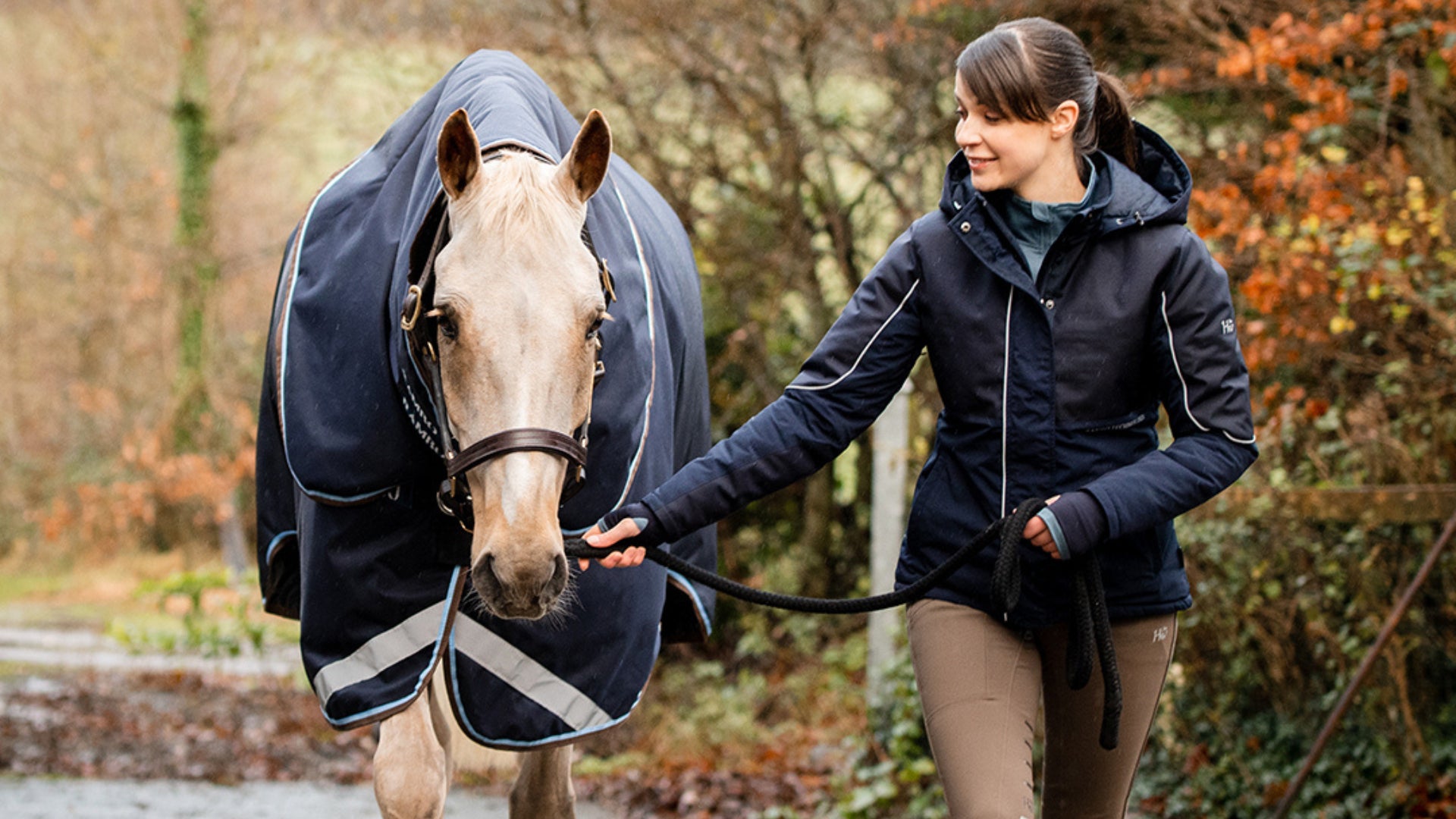
Buying or loaning a new horse is an exciting time. After finding the right horse, you’ll be looking forward to getting to know them and making plans for the future. The first few weeks are crucial to help your horse settle in. By preparing for your new horse’s arrival, you will help them feel at home so you can enjoy many happy memories to come.
How can I Prepare for my New Horse’s Arrival?
Before bringing home your new horse, try to find out as much as possible about their current routine. There will inevitably be some changes to their routine as you bring them to their new home but try to minimise these during the first few weeks to help them settle in.
Ask the owner or seller of the horse questions to help you understand their current routine and diet:
- What is the horse’s current routine? Turned out 24/7? Out in the field by day and stabled by night?
- If stabled are they on straw, shavings, or something else?
- Are they fed hay or haylage?
- Do they have any hard feed or supplements?
- Any allergies, dislikes or sensitivities to be aware of?
- How much work are they in?
The way your new horse is currently kept may not be the same as how you want to keep them in the future. Try to make any changes gradually, particularly with feed to minimise issues like colic. Stock up on some of your horse’s current feed and make small adjustments to this over time if you want to change it.
Prepare your new horse’s stable and paddock ready for their arrival. If your horse will be kept at a livery yard, speak to the yard manager about their process for new arrivals.
Now is also a good time to look into insurance options. At a minimum, you’ll likely need public liability insurance. There is also insurance to cover vet fees in case of injury or illness.
What do I Need to get for my New Horse?
Part of the fun with a new horse is buying tack and equipment for them. It can be a bit overwhelming though with knowing what you actually need to buy and choosing the best option for them.
First, speak with the seller or owner to find out if any tack or rugs will be going with your new horse. Your seller may also guide you on what rugs and tack they currently use which can be hugely helpful in making decisions. Then, make a list of what you need. You don’t necessarily have to buy everything before your horse arrives. Get what you really need now and then you can add to your horse’s wardrobe over time. By tackling it in order of priority, it can prevent a new horse owner by feeling overwhelmed with decisions and clear on mandatory items.
For example, consider the time of year you are getting your horse, if it’s spring then a fly rug is likely a better choice than getting lots of stable rugs or heavy weight turnouts. As you get to know your new horse better, you will also understand what works for them.
New Horse Shopping List:
- Headcollar and lead rope
- Saddle
- Bridle and bit
- Saddle pad
- Stirrups and stirrup leathers
- Turnout Rug
- Stable Rug
- Fly Rug
- First aid kit
- Water/feed buckets
- Haynet
- Grooming kit
- Wheelbarrow and mucking out tools
- Travel boots
- Exercise boots
How do I Bring my New Horse Home?
If you don’t have your own horsebox or trailer, you will need to find a way to bring your new horse home. Contact a few local transporters to see if they are available, or hire a horsebox if you feel confident driving one yourself.
Make sure you have water for the journey home and a haynet - it can also be a good idea to fill this up at the horse’s current yard so it’s hay/haylage they are used to eating.
Get any paperwork in order like the contract of sale and ensure you have the horse’s passport. Then it’s time to bring your new horse home.
When Should I Ride My New Horse?
Walking your horse off the ramp of the horsebox marks the start of a new chapter! The first few days are the perfect chance to start building a relationship with your horse. When to start riding a new horse is something we often question. It can be a good idea to start as you mean to go on and just start riding the day after they arrive, especially if they are used to regular ridden work.
However, if your horse is a bit unsettled in their new environment, or perhaps you don’t have a saddle yet, you may want to wait a few days before getting on board. That doesn’t mean you can’t do anything with your horse yet, or start getting to know them. There is lots of groundwork that you can do with your horse that will be beneficial in the long run.
In-hand work in the arena is a good way to build a bond with your horse. Simply start by leading them around, ensuring your horse is walking next to you. Then, incorporate some halts and turns while ensuring they are listening and keeping pace with you. You could also try working over some poles or desensitizing with different objects to build your horse’s confidence.
When you are ready for your first ride, find a quiet time and ideally use an arena or enclosed area. Having your instructor or a friend/family member around can also be helpful in case of any problems, or to take some photos and videos of your first ride!
From speaking with the seller of the horse you should have a fairly good idea about their temperament and history but it’s always a good idea to proceed with caution when getting to know your new horse. For example, even if your horse has been described to hack well alone and in company, try to go for a short hack with a calm companion as your first outing from the yard. A new environment and a new rider may cause your horse to react differently, so set yourself both up for success by keeping your early rides easy.
Setting Goals with Your New Horse
Horse ownership is a marathon and not a sprint. While it can be useful to have ambitions for a new horse, try to be flexible with your plans. Sometimes it can feel like you’re taking one step forwards and two steps back. Instead of being disheartened, break your goal into small, achievable steps. Working with an instructor can also be beneficial to provide support and help you work towards your goals. It might be necessary to manage your expectations and timescale with a new horse but that doesn’t mean you won’t achieve your goals. Whether your dream is to qualify for a grassroots championship or simply explore the countryside together, being patient and putting in the work now will pay off in the long run.
It’s not just about getting to know your horse and working on training but ensuring they are happy and healthy too. Build a support team for your horse with a qualified saddle fitter, vet, farrier and a registered bodyworker e.g. physio or chiropractor. This will ensure they are feeling fit right from the start to reduce the chance of problems down the line. Regular appointments will help you maintain your horse’s ongoing health so you can both enjoy many years to come.
Have fun with your new horse!

Share on Facebook

Share on X

Share on Pinterest

Share on LinkedIn

Share on Copy